
Table of Contents
- Understanding Menstrual Cycle Duration and What’s Normal
- The Difference Between Shortening and Regulating Your Period
- Natural Ways to Reduce Period Cramps and Discomfort
- How to Manage Heavy Menstrual Bleeding Naturally
- Lifestyle Factors That Affect Menstrual Flow Duration
- When to Consult a Medical Professional About Period Length
- Safe Methods vs. Unsafe Myths About Shortening Your Period
- Frequently Asked Questions
Last Updated: September 28, 2026
Understanding Menstrual Cycle Duration and What’s Normal
A typical menstrual cycle lasts 21 to 35 days, with the actual period lasting 3 to 7 days (value is what Coveo indexes and uses as the title in Search Results.–> <title>Abnormal…). Many women experience periods outside this range or want to explore natural ways to shorten period duration and manage their menstrual flow.
The menstrual cycle is controlled by estrogen and progesterone, which signal your body when to build up and shed the uterine lining. Understanding this process explains why some natural approaches work better than others for managing cycle length and flow.
Cycle length varies based on age, stress, body weight, exercise, and overall health. What matters most is consistency, if your period suddenly changes duration significantly, discuss it with a doctor. If you’ve always had a seven-day period and want to reduce it naturally, evidence-based strategies exist.
The Difference Between Shortening and Regulating Your Period
It’s crucial to understand that shortening period duration and regulating your menstrual cycle are two different goals. Many people use these terms interchangeably, but they require different approaches.
Regulating your cycle means making it more predictable and consistent, ensuring your period arrives on schedule and lasts roughly the same number of days each month. Regulation is often the better goal because a regular cycle indicates hormonal balance.
Shortening your period means reducing the actual number of days you bleed, in other words, to shorten period duration typically requires hormonal intervention or addressing an underlying condition. Many natural approaches work better for regulation than for true shortening.
The distinction matters: if your concern is unpredictable timing or heavy flow, focusing on cycle regularity through lifestyle changes may solve your problem without shortening duration. Stress management, consistent sleep, and proper nutrition improve predictability more sustainably than forcing fewer bleeding days.
Natural Ways to Reduce Period Cramps and Discomfort
Period cramps occur when your uterus contracts to shed the uterine lining, triggered by prostaglandins. While you cannot eliminate cramps entirely through natural methods, you can reduce their intensity significantly, and some evidence suggests certain nutritional interventions may modestly affect bleeding duration.
Important distinction: Reducing cramp severity is not the same as shortening your period. Cramp relief improves comfort, but duration is controlled by hormonal signaling and uterine lining thickness. Addressing inflammation and hormonal balance through nutrition can support both comfort and slightly shorter cycles.
Magnesium for prostaglandin reduction
Magnesium is one of the most researched natural approaches for menstrual discomfort, helping relax muscle tissue and inhibit prostaglandin production. Studies showing benefit typically used 300-400 mg daily, taken consistently throughout the month. Many women report noticeable relief within two to three cycles. Magnesium glycinate is preferred over magnesium oxide for better absorption and fewer digestive side effects.
Heat therapy
Applying a heating pad to your lower abdomen for 15-20 minutes reduces pain by relaxing uterine muscles. This works as well as ibuprofen (200 mg) for mild to moderate cramps and can be repeated as needed.
Vitamin C and iron for flow regulation
Vitamin C supports collagen production and strengthens blood vessel walls, potentially reducing heavy flow. Taking 500-1,000 mg daily during the week before your period and throughout menstruation may help. Iron supplementation is critical if you have heavy bleeding: iron deficiency worsens flow through a feedback mechanism, so replenishing iron stores can reduce bleeding duration. Ask your doctor to check ferritin and hemoglobin levels before supplementing.
Ginger and turmeric for inflammation
Ginger and turmeric reduce prostaglandin and leukotriene production, decreasing uterine inflammation. A clinical study found ginger powder (250 mg four times daily) reduced menstrual pain as effectively as mefenamic acid (pubmed.ncbi.nlm.nih.gov). These herbs are most effective when taken daily starting a week before your period. Typical dosing is 500-1,000 mg daily.
Gentle movement and endorphin release
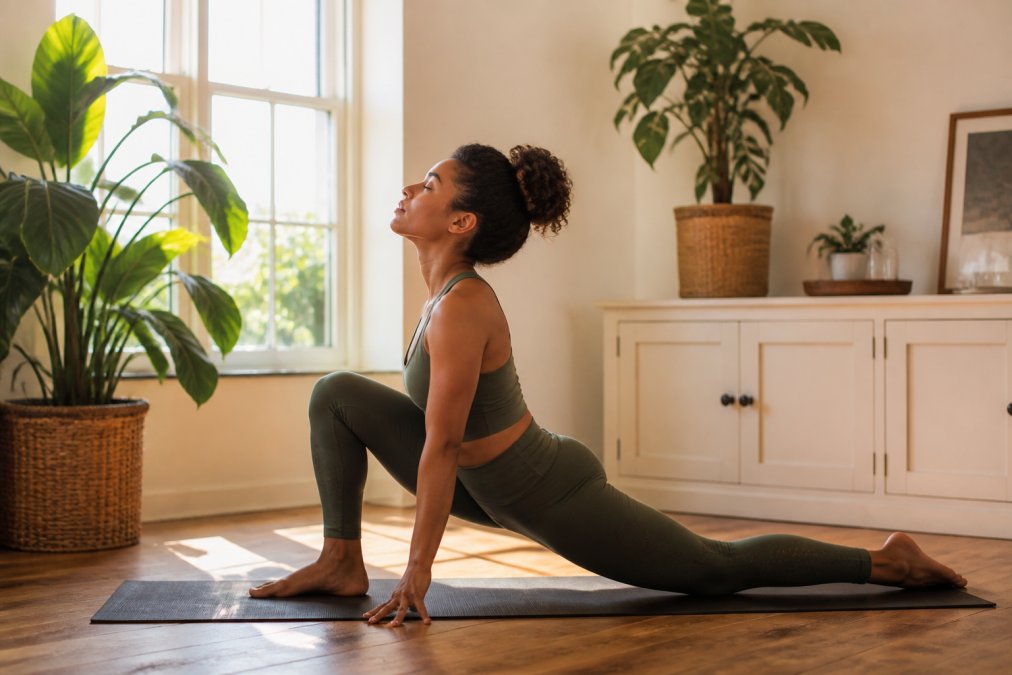
Light walking, stretching, or gentle yoga increases blood flow and releases endorphins. Even ten minutes of movement during your period provides measurable relief. Moderate exercise supports hormonal balance and may contribute to more regular, slightly shorter cycles.
How to Manage Heavy Menstrual Bleeding Naturally
Heavy menstrual bleeding affects approximately 1 in 4 women and can significantly impact daily life. If you’re soaking through a pad or tampon every hour for several hours, passing clots larger than a quarter, or if your period lasts longer than seven days, seek medical evaluation to rule out underlying conditions before pursuing natural approaches.
Medical conditions that cause prolonged or heavy bleeding:
Natural approaches work best for heavy bleeding caused by hormonal imbalance or inflammation. Ask your doctor to evaluate you for these common causes:
- Uterine fibroids (benign tumors in the uterine wall): Affect up to 80% of women by age 50 and increase menstrual flow and duration. Natural approaches cannot shrink fibroids; medical or surgical intervention may be necessary.
- Polyps (small growths in the uterine lining): Cause heavy, prolonged bleeding and require removal by a gynecologist.
- Adenomyosis (uterine lining tissue growing into the muscle wall): Causes severe cramping, heavy flow, and prolonged periods. This condition requires medical diagnosis and typically responds better to hormonal treatment than to natural approaches.
- Polycystic ovary syndrome (PCOS): Causes irregular cycles, heavy bleeding, and hormonal imbalance. PCOS responds well to lifestyle changes (nutrition, exercise, stress management) combined with medical management.
- Thyroid dysfunction: An underactive thyroid (hypothyroidism) can cause heavy, prolonged periods. This requires blood testing and medication, not natural remedies.
- Bleeding disorders: Conditions like von Willebrand disease or platelet dysfunction cause abnormally heavy periods. These require hematology evaluation and are not treatable through diet alone.
- Hormonal imbalance (excess estrogen relative to progesterone): Often causes heavy flow without structural abnormality. This responds well to natural approaches targeting hormonal regulation.
Natural approaches for hormonally-driven heavy bleeding:
Once structural conditions have been ruled out, these evidence-based nutritional strategies can help reduce flow:
- Iron-rich foods combat blood loss from heavy periods. Red meat, poultry, legumes, fortified grains, and dark leafy greens replenish iron stores. Iron deficiency worsens bleeding through a feedback mechanism, so addressing deficiency can reduce subsequent cycle bleeding. Ask your doctor to check your ferritin level (optimal range is 30-100 ng/mL for menstruating women).
- Vitamin K supports blood clotting. Leafy greens like kale, spinach, and collard greens are excellent sources. Some evidence suggests adequate vitamin K intake correlates with lighter periods, though the mechanism is not fully understood.
- Bioflavonoids (found in citrus, berries, and red wine) strengthen blood vessel walls and may reduce menstrual flow.
- Herbal support with ginger and turmeric reduces uterine inflammation and prostaglandin production, potentially decreasing flow. Dosing: 500-1,000 mg daily of either herb, started one week before your period.
- Hydration matters more than most people realize. Dehydration concentrates your blood and can make flow seem heavier. Drinking adequate water throughout your cycle (at least 8-10 glasses daily) supports overall menstrual health and clotting efficiency.
- Vitamin C supplementation (500-1,000 mg daily) supports collagen in blood vessel walls, potentially reducing bleeding over several cycles.
Timeline for natural approaches:
Natural methods typically require three to four complete cycles to show measurable results.
Lifestyle Factors That Affect Menstrual Flow Duration
Stress management is foundational. High stress elevates cortisol, disrupting hormonal balance and potentially lengthening your period or increasing flow. Meditation, deep breathing, journaling, or reducing commitments during your period helps regulate your cycle naturally.
When to Consult a Medical Professional About Period Length
Knowing when to seek medical help prevents small issues from becoming serious ones. Certain situations require professional evaluation regardless of natural approaches you’re trying.
See a doctor if:
- Your period lasts longer than seven days consistently
- You soak through one or more pads or tampons every hour for several hours
- You pass blood clots larger than a quarter
- Your cycle length changes dramatically (from 28 days to 40 days, for example)
- You experience severe pain that interferes with daily activities
- You feel unusually fatigued, which may indicate anemia from heavy bleeding
- Your period stops entirely or becomes extremely irregular
- You’re taking birth control and experiencing unexpected bleeding changes
Safe Methods vs. Unsafe Myths About Shortening Your Period
Many unsafe methods circulate online claiming to shorten your period. Understanding which approaches are safe and which are potentially harmful protects your reproductive health.
Unsafe methods to avoid:
- Douching disrupts your vaginal microbiome and increases infection risk. It does not shorten your period and can cause serious complications.
- Extreme heat or ice applied internally can damage tissue and cause infection.
- Herbal remedies from unverified sources may contain contaminants or interact dangerously with medications.
- Dehydration to reduce bleeding is harmful and can cause serious health problems.
- Restricting food intake damages your metabolism and worsens menstrual irregularity.
- Excessive exercise without adequate nutrition increases injury risk and hormonal disruption.
Safe, evidence-based approaches:
- Consistent supplementation with researched ingredients like magnesium, vitamin C, and iron
- Stress reduction through meditation, yoga, or counseling
- Regular moderate exercise
- Consistent sleep schedule
- Anti-inflammatory foods like fatty fish, berries, and leafy greens
- Heat therapy for cramp relief
- Tracking your cycle to identify patterns
Frequently Asked Questions
What is the difference between shortening your period and regulating your menstrual cycle?
Shortening refers to reducing the number of days your period lasts, while regulating means creating a more predictable cycle with consistent timing and flow. Most natural methods actually work by supporting hormonal balance and cycle regularity rather than directly shortening duration. Hormonal regulation through lifestyle and nutritional support can indirectly lead to more efficient endometrial shedding, but the primary goal is creating a healthier menstrual cycle overall.
Can natural supplements like herbal powders actually reduce period duration and cramping?
Natural supplements containing specific herbs, vitamins, and minerals can support menstrual wellness by addressing underlying hormonal imbalances and inflammation. While individual results vary, consistent use of evidence-based herbal blends may help regulate cycle duration and reduce menstrual symptoms like cramping over time. Results typically appear after several cycles of consistent use rather than immediately.
How long does it take to notice a difference in period duration from lifestyle changes or supplements?
Most natural interventions require at least 2-3 menstrual cycles to show measurable effects, as hormonal regulation takes time. Some women notice improvements in menstrual symptoms like cramping within the first cycle, while changes to actual period length may take longer. Consistency is key, sporadic use of supplements or lifestyle changes produces minimal results.
When should I see a doctor about abnormally long or heavy periods?
Contact a healthcare provider if your period lasts longer than 7 days, involves soaking through more than one pad or tampon per hour, or has changed significantly from your normal pattern. Prolonged bleeding can indicate medical conditions like hormonal imbalances, polyps, or fibroids that require professional evaluation. While natural methods support overall menstrual health, severe or persistent symptoms need medical assessment to rule out underlying conditions.