
Table of Contents
- Understand Your Menstrual Flow and Cycle Phases
- Assess Your Specific Symptoms and Needs
- Herbal Supplements for Hormonal Balance
- How to Read Supplement Labels for Safety
- Check for Third-Party Testing and Quality Standards
- When to Talk to an OB-GYN About Supplements
- Start Low and Track Your Results
- Frequently Asked Questions
Last Updated: September 2, 2026
Understand Your Menstrual Flow and Cycle Phases
Your menstrual cycle has four distinct phases, each creating different nutritional demands. The menstrual phase (days 1-5) involves the heaviest bleeding and greatest loss of iron. The follicular phase (days 1-13) sees rising estrogen and improved energy. The ovulation phase (days 14-15) is brief but marked by a hormone surge. The luteal phase (days 16-28) is when progesterone peaks and many women experience bloating, mood changes, and fatigue.
Menstrual flow varies significantly. Some women experience light flow lasting 3-4 days, while others have heavy flow lasting 7+ days. Flow intensity determines what support you need, heavy flow depletes iron faster and may benefit from iron-rich supplements, while light flow may require different nutritional support focused on hormonal balance.
Track your actual menstrual flow for two to three cycles before choosing supplements. Note the number of days, product-change frequency, and how you feel during each phase. This baseline helps you evaluate whether a supplement is actually working. Cycle 180 is designed to support all phases with a consistent daily formula, but understanding your specific flow pattern helps determine whether a consistent daily supplement or phase-switching approach suits your situation.
Assess Your Specific Symptoms and Needs
Choosing the right menstrual health supplements depends on which symptoms actually affect your life.
Common menstrual symptoms include cramping and pain during menstruation, bloating and water retention in the luteal phase, mood changes and low energy, and irregular cycle timing or unpredictable flow. Before buying any supplement, write down your top three symptoms with specificity: “severe cramping on day 2-3” is more useful than “bad cramps.” “Bloating that makes my jeans uncomfortable by evening” is clearer than “general bloating.”
Severity matters. Mild cramping that responds to heat is different from dysmenorrhea that keeps you home from work. If your symptoms are severe enough that ibuprofen, naproxen, or prescription medication is necessary, a supplement alone may not be sufficient. Supplements can complement medication but shouldn’t replace it without medical guidance.
Consider whether your symptoms are cyclical or constant. If you struggle only during specific phases, you’re looking for phase-specific support. If you feel generally fatigued, moody, or uncomfortable throughout your cycle, you may need consistent daily support for hormonal balance.
Herbal Supplements for Hormonal Balance
Herbal supplements have been used for centuries to support menstrual wellness, and many contain compounds that modern research has begun to validate.
Chasteberry (Vitex) is one of the most studied herbs for menstrual health. It works on the pituitary gland to help regulate progesterone and estrogen levels. Women typically use it for irregular cycles, heavy flow, or luteal phase symptoms, with results appearing after 2-3 months of consistent use.
Ginger is a potent anti-inflammatory that reduces cramping and pain by targeting specific inflammatory pathways. Many women find ginger supplements effective for managing cramps naturally.
Magnesium is critical for menstrual wellness. Magnesium levels drop during the luteal phase, contributing to cramping, mood changes, and muscle tension (peer-reviewed research). Supplementing with magnesium glycinate or magnesium threonate can reduce these symptoms significantly. Most women benefit from 300-400 mg daily (the NIH).
Red raspberry leaf has been used traditionally to tone the uterus and support menstrual health. It’s mild enough for daily use as a tea or capsule.
Dong quai is used in traditional Chinese medicine for menstrual regulation and hormonal balance. It may help with irregular cycles but should not be used if you’re taking blood thinners.
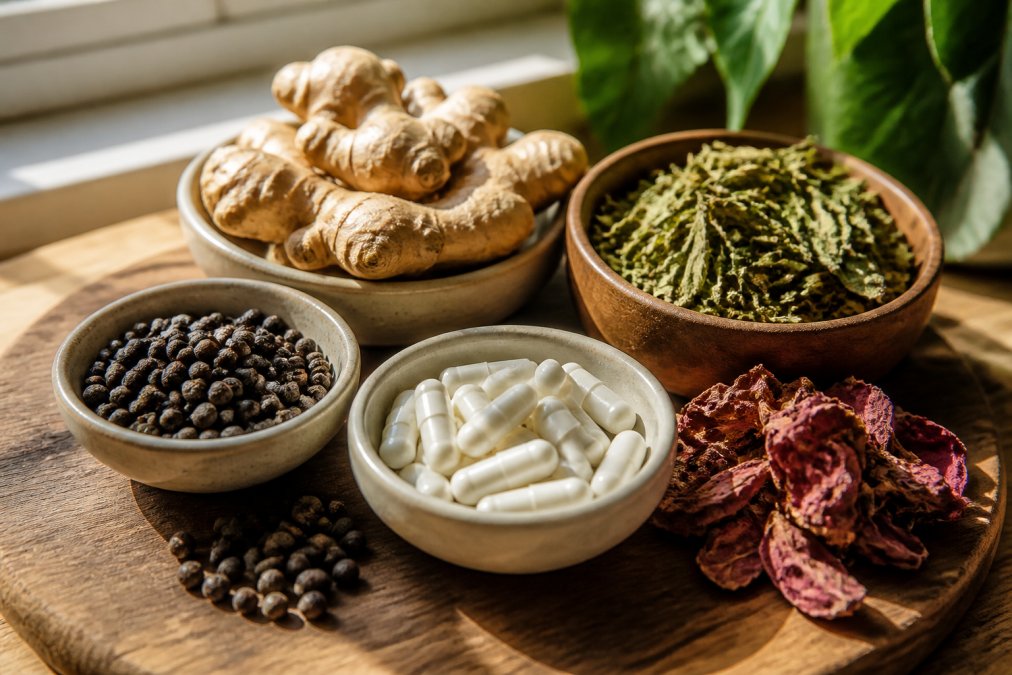
Vitamin B6 (pyridoxine) supports neurotransmitter production and hormone metabolism. Research shows B6 can reduce irritability and mood swings associated with the luteal phase (peer-reviewed research).
Iron is essential for women with heavy menstrual flow. Iron deficiency from menstrual blood loss causes fatigue, brain fog, and weakness. Get your iron levels tested before supplementing, since excess iron can cause problems. Ferrous bisglycinate has good bioavailability with fewer digestive side effects.
When choosing herbal supplements, look for products that combine multiple supportive herbs rather than single-herb formulas. The interaction between different plant compounds often produces better results. Cycle 180 combines herbs, vitamins, and minerals specifically selected to support all phases of the menstrual cycle.
How to Read Supplement Labels for Safety
The supplement label contains critical information that determines whether a product is safe and effective for you.
The Supplement Facts panel lists active ingredients, their amounts, and the % Daily Value. For menstrual health supplements, check that the label specifies which herbs are included and in what amounts. Vague language like “herbal blend” without quantities is a red flag.
Ingredient sourcing matters significantly. Look for labels that specify “organic” or “non-GMO” and indicate where ingredients are sourced. Third-party testing is the only real verification of purity.
Standardized extracts versus whole plant material affect potency and consistency. A standardized extract contains a guaranteed percentage of active compounds, delivering consistent results. For menstrual health supplements where you need predictable results, standardized extracts are generally preferable.
Fillers and additives help supplements hold their form but don’t provide therapeutic benefit. Common fillers include magnesium stearate, cellulose, and silicon dioxide. If you have sensitivities, check the full ingredient list.
Allergen statements are required by law for major allergens. Read this section carefully if you have food allergies or sensitivities.
Dosage instructions tell you how much to take and how often. Follow the recommended dose exactly. Some supplements work better taken with food, others on an empty stomach.
Expiration dates matter. Supplements lose potency over time, especially if stored in heat or humidity. Store supplements in a cool, dry place away from direct sunlight.
Check for Third-Party Testing and Quality Standards
Third-party testing is the only reliable way to verify that a supplement contains what the label says and is free from contaminants.
Third-party testing means an independent laboratory tests the product for potency, purity, and contaminants. The laboratory verifies that active ingredients are present in claimed amounts and checks for heavy metals, microbial contamination, pesticide residues, and undeclared ingredients. This is critical because the supplement industry has minimal FDA oversight.
NSF Certified for Sport, USP Verified, and ConsumerLab are three major third-party testing organizations. Products bearing their seals have been tested and verified. If a supplement doesn’t display a third-party testing seal, you have no independent verification of its quality.
Heavy metals in supplements are a real concern. Some herbs naturally accumulate metals from soil, and poor manufacturing practices can introduce additional contamination. Lead, cadmium, and arsenic can accumulate in your body over time and cause serious health problems.
Microbial testing verifies that the supplement is free from bacteria, mold, and other pathogens. This is especially important for herbal supplements.
Potency testing confirms that the supplement contains the amount of active ingredients claimed on the label. Some supplements contain far less than stated.
When evaluating menstrual health supplements, ask the manufacturer for third-party testing results. Reputable companies provide this information on request or publish it on their website. If a company refuses to share testing results, that’s a significant warning sign.
When to Talk to an OB-GYN About Supplements
Some situations require medical guidance before starting any supplement regimen.
If you’re taking prescription medications, particularly hormonal birth control, blood thinners, or medications for mental health, discuss supplements with your doctor first. Some herbs interact with medications in ways that reduce medication effectiveness or increase side effects. Certain supplements can interfere with how your body processes birth control, potentially reducing contraceptive effectiveness.
If you have a diagnosed hormonal condition like PCOS, endometriosis, or thyroid disease, supplement choices become more complex. Your OB-GYN can recommend supplements that support your particular diagnosis.
If your menstrual symptoms are severe, especially if you suspect dysmenorrhea or have heavy bleeding that causes anemia, medical evaluation before relying on supplements makes sense. Severe symptoms sometimes indicate an underlying condition that needs treatment beyond what supplements can provide.
If you’re planning to become pregnant or are currently pregnant, many herbs used for menstrual health are not appropriate. Always discuss supplements with your OB-GYN if pregnancy is in your plans.
If you experience side effects from a supplement, unusual bleeding, severe mood changes, or other unexpected symptoms, contact your doctor. Regular check-ups are also the time to discuss whether supplements are working and whether you need a different approach.
Start Low and Track Your Results
The most common mistake women make with menstrual health supplements is expecting immediate results or not tracking whether they’re working at all.
Start with the lowest recommended dose. This helps your body adjust gradually and helps you identify whether a particular ingredient causes side effects.
Give supplements time to work. Most herbal supplements for menstrual health require 2-3 months of consistent use before you notice significant changes. Magnesium and vitamin B6 sometimes show results within 4-6 weeks, but chasteberry typically needs 60-90 days.
Track your symptoms consistently. Use a calendar, period-tracking app, or notebook to record your energy level, mood, pain level, bloating, and other symptoms. Also track when you start and end your period, flow intensity, and cycle length. This data proves whether a supplement is actually working.

Add one supplement at a time. If you start three new supplements simultaneously and your symptoms improve, you won’t know which one worked. Add one supplement, track for 4-6 weeks, then add another if needed.
Adjust dosage based on results. After 6-8 weeks at the starting dose, if you’re seeing improvement, you can stay at that dose. If not, increase to the next recommended dose level and track for another 4-6 weeks.
Consistency matters more than perfection. Taking your supplement every day is more important than taking extra doses on days when symptoms are worst. Supplements work by maintaining consistent levels of supportive compounds in your system.
Track across multiple cycles. One cycle of data isn’t enough. You need at least three cycles of tracking to see a real pattern. Three cycles of consistent improvement is evidence that the supplement is working.
When using Cycle 180 or any comprehensive menstrual health supplement, start at the recommended dose, track your symptoms consistently across multiple cycles, and give it time to work. Many women see noticeable improvements in energy, mood stability, and reduced cramping by month three.
Choosing the right menstrual health supplements means understanding your cycle, identifying your specific symptoms, and selecting products backed by third-party testing. Start with a reputable product like Cycle 180 that combines evidence-based herbs and nutrients designed to support all phases of your menstrual cycle, track your results consistently, and work with your doctor if symptoms are severe or if you’re taking other medications. Your menstrual wellness is worth the effort to get it right.
| Supplement Type | Best For | Timeline to Results | Key Consideration |
|---|---|---|---|
| Herbal blends (chasteberry, ginger, red raspberry) | Hormonal balance and cycle regulation | 8-12 weeks | Requires consistent daily use |
| Magnesium | Cramping, mood changes, bloating | 4-6 weeks | Different forms have different absorption rates |
| Vitamin B6 | PMS mood symptoms and irritability | 4-8 weeks | Works best as part of a broader supplement regimen |
| Iron supplements | Heavy menstrual flow and fatigue | 6-8 weeks | Requires testing to confirm deficiency first |
| All-in-one formulas | Comprehensive cycle support | 6-12 weeks | Simplifies routine and ensures ingredient synergy |
Frequently Asked Questions
What should I look for in a high-quality menstrual health supplement?
Look for supplements with transparent ingredient sourcing, third-party testing certifications from organizations like NSF or USP, and clear labeling of active ingredient amounts. Check that the formula includes evidence-backed ingredients like magnesium, vitamin B6, and iron. Avoid products with vague ingredient lists or unsubstantiated claims about curing menstrual conditions.
How long does it take to see results from menstrual health supplements?
Most women notice changes within 1-3 menstrual cycles, though some experience benefits sooner. This timeline allows your body to adjust to the supplement and for hormonal patterns to shift. Consistency matters, taking your supplement daily as directed yields better results than sporadic use. If you don’t notice improvement after 3 cycles, consult your OB-GYN to reassess your choice or underlying health factors.
Can menstrual health supplements interact with birth control or other medications?
Some herbal supplements can interact with hormonal birth control or other medications. For example, certain herbs may affect how your body processes estrogen, potentially reducing contraceptive effectiveness. Before starting any menstrual health supplement, discuss it with your OB-GYN or pharmacist, especially if you take birth control, blood thinners, or other medications. They can review ingredient lists and flag any contraindications specific to your health profile.
Are herbal supplements for hormonal balance regulated by the FDA?
Dietary supplements, including herbal supplements for hormonal balance, are regulated by the FDA but less strictly than prescription medications. Manufacturers must ensure products are safe and labels are truthful, but supplements don’t require FDA approval before sale. This means third-party testing becomes crucial for verifying quality and safety. Always check for third-party certifications and consult your healthcare provider to ensure any supplement you choose meets safety standards.
This article was written using GrandRanker