
Table of Contents
- Quick Comparison: Intimate Rose vs Other Period Supplements
- Cycle 180 vs Intimate Rose: Formula and Delivery Compared
- How to Choose a Period Supplement That Fits Your Symptoms
- Best Supplements for Irregular Periods: What the Evidence Shows
- Third-Party Testing and Bioavailability: What Brands Don’t Always Disclose
- Cost-Per-Dose Analysis and Subscription Value
- Conclusion
- Frequently Asked Questions
Last Updated: September 15, 2026
Quick Comparison: Intimate Rose vs Other Period Supplements
The period supplement market has split into two camps: single-ingredient inositol products and multi-ingredient botanical blends. That divide matters more than any brand name. This comparison from cycle 180 breaks down where the leading options actually differ, so you can match a formula to your symptoms instead of a label.
Most period supplements fall into one of two categories. Inositol-focused products target insulin sensitivity and ovarian function, while herbal blends address cramping, mood, and inflammation more broadly. Neither approach is wrong, but they solve different problems.
If you are comparing Intimate Rose vs other period supplements, the deciding factors are formula philosophy, delivery method, testing transparency, and cost per dose. Below, we compare the leading options side by side and explain which type fits which symptoms.
| Product | Formula Focus | Delivery | Testing Transparency | Best For |
|---|---|---|---|---|
| Cycle 180 | Herbal, vitamin and mineral blend | Powder | Stated on label | Multi-symptom support |
| Intimate Rose | Myo-inositol with D-chiro | Capsule | Stated on label | Cycle regularity |
| Wholesome Story | Pure myo-inositol | Capsule or powder | Non-GMO, gluten-free | Straightforward inositol |
| Ovasitol | 40:1 myo to D-chiro | Powder packets | Third-party tested | Clinical-grade priority |
Key Differences at a Glance
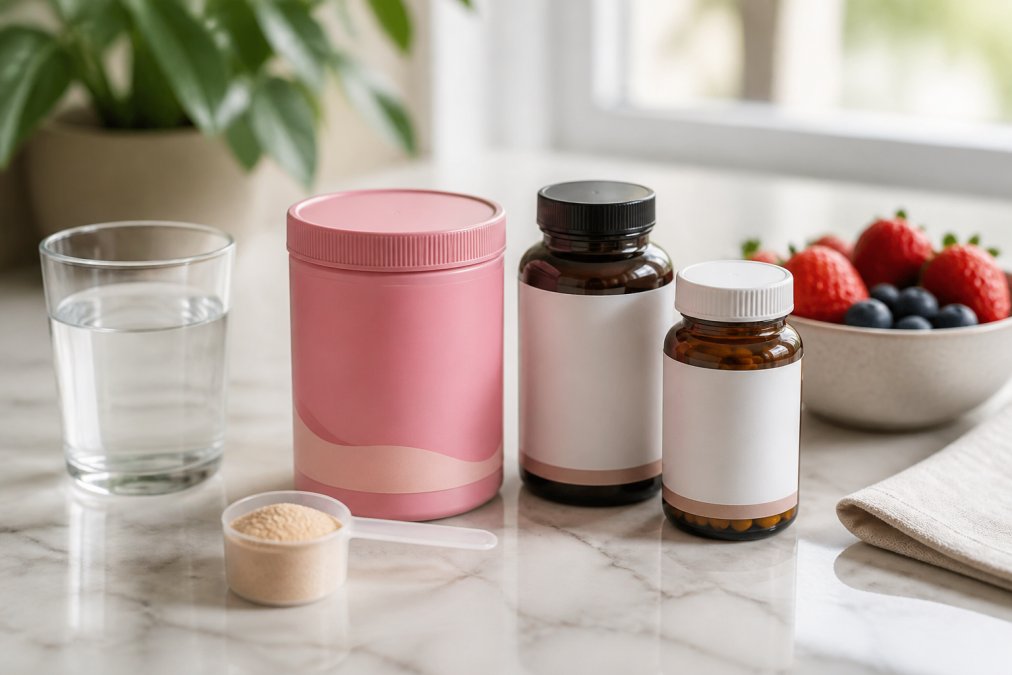
Cycle 180 is a powdered herbal, vitamin and mineral blend built for broad monthly comfort. Intimate Rose leans on inositol for hormonal balance and cycle regularity. Ovasitol uses a standardized 40:1 myo-inositol to D-chiro inositol ratio and carries third-party testing. Wholesome Story keeps things simple with pure myo-inositol in capsule or powder form. The real difference is scope: one formula versus one molecule.
Cycle 180 vs Intimate Rose: Formula and Delivery Compared
Cycle 180 is a powdered blend of herbs, vitamins, and minerals taken as a daily drink. Intimate Rose is a capsule built around inositol. Delivery changes the experience as much as the ingredients do.
Powder mixes into water or a smoothie and lets you adjust serving size. Capsules are portable and pre-measured. For anyone already managing a daily supplement regimen, the format you will actually stick with wins.
Ingredient Focus: Inositol vs Herbal Blend
Inositol products target one mechanism: insulin signaling and ovarian function, which supports cycle regularity and ovulation. Herbal blends spread their support across cramping, bloating, and mood. If your main complaint is irregular cycles, an inositol formula is the more targeted pick. If you are managing several symptoms at once, a blend covers more ground.
How to Choose a Period Supplement That Fits Your Symptoms
Match the formula to your dominant symptom, not the loudest marketing claim. This is the step most shoppers skip, and it is why so many end up cycling through brands.
- Irregular cycles or suspected PCOS: an inositol product with a clear myo to D-chiro ratio
- Cramps, bloating, and mood swings: a multi-ingredient herbal blend
- Severe dysmenorrhea: talk to a provider first; a supplement may not be enough on its own
- Perimenopause with fluctuating cycles: look for hormone-friendly formulas with magnesium and botanical extracts
- Already taking magnesium or a multivitamin: check for overlap before adding another product
Check the label for elemental magnesium, not just “magnesium.” The form determines how much your body absorbs, and two products with the same milligram count can deliver very different amounts.
Best Supplements for Irregular Periods: What the Evidence Shows
The strongest evidence in this category sits behind inositol, particularly for cycle regularity in people with PCOS. The NIH Office of Dietary Supplements maintains fact sheets on inositol and magnesium that are worth reading before you buy anything.
For herbal blends, evidence is thinner and more product-specific. Many businesses find that results depend heavily on dose and consistency. A blend taken twice and abandoned tells you nothing.
Cycle regularity also depends on factors a supplement cannot fix: sleep, stress, weight, and thyroid function. If cycles stay irregular after three months of consistent use, see a provider.
Third-Party Testing and Bioavailability: What Brands Don’t Always Disclose
Two products can list the same ingredient at the same milligram amount and still deliver very different results. The difference comes down to two things most marketing pages skip: whether an independent lab verified what is in the bottle, and whether your body can actually absorb the form used.
What a Certificate of Analysis Actually Confirms
A certificate of analysis, or COA, is a document from an independent lab that reports what the lab found in a specific batch. A useful COA covers four things:
- Identity, that the ingredient is what the label says it is, not a cheaper substitute
- Potency, that the amount per serving matches the label claim
- Purity, that heavy metals, microbes, and residual solvents fall below set limits
- Batch number and test date, so the result ties to the bottle in your hand, not a one-time sample
A brand that publishes COAs on request, or links them by batch, is giving you something verifiable. A brand that only says “third-party tested” in marketing copy is asking you to take its word for it. The FDA guidance on dietary supplement labeling sets the rules for what must appear on a label, but it does not require brands to publish lab results, which is why transparency varies so widely.
Why Form Determines Absorption
Bioavailability is the share of an ingredient your body actually absorbs and uses. Two factors drive it: the chemical form of the ingredient, and whether you take it with food.
Inositol. Myo-inositol and D-chiro inositol are the two forms used in cycle-support products. Myo-inositol is the form your body uses most, and it is typically dosed in grams, not milligrams, often in the 2,000 mg to 4,000 mg daily range in research settings (Management of women with PCOS using myo-inositol and folic acid. New clinical data and…). D-chiro inositol is used at much smaller amounts, and formulas that combine them usually follow a set ratio. A label that lists “inositol blend” without splitting out myo and D-chiro leaves you unable to check the ratio against clinical ranges.
Magnesium. This is the clearest example of form mattering. Magnesium oxide is cheap and common in drugstore blends, but it is poorly absorbed and mostly acts as a laxative. Magnesium glycinate and magnesium citrate absorb better, and magnesium glycinate tends to be gentler on the stomach. Two bottles can both say “magnesium 400 mg” and behave nothing alike.
How to Read a Label Before You Buy
- Look for the specific form, not just the nutrient name (“magnesium glycinate,” not “magnesium”)
- Check whether inositol is split into myo and D-chiro with amounts for each
- Search the brand’s site for a COA or a testing page; if it is not there, email and ask
- Treat “proprietary blend” as a stop sign unless the brand discloses amounts elsewhere
If a label lists a proprietary blend without individual ingredient amounts, you cannot verify the dose. That makes it impossible to compare against clinical dosage ranges, and you may be paying for filler.
A COA is only as good as its batch link. A test result from a year ago on a different lot tells you nothing about the bottle shipping to you today.
Cost-Per-Dose Analysis and Subscription Value
Sticker price is the least useful number on a supplement page. What matters is cost per dose, the amount you pay for one day of the serving size the label actually recommends. This is the comparison most brand pages avoid, because a low price on a small bottle can hide a high daily cost.
How to Calculate Cost Per Dose
The math is simple, and you can do it in under a minute:
What Drives the Difference
Subscription Math
A Quick Framework for Comparing Any Two Products
Cost per dose, not sticker price, is the honest comparison. Two products at the same price can differ by two or three times in daily cost once serving size and frequency are factored in.
Conclusion
Frequently Asked Questions
What is the best supplement for irregular periods?
The best option depends on your specific hormonal needs. Inositol-based supplements like Ovasitol and Wholesome Story Myo-Inositol are popular for cycle regularity and insulin sensitivity, while herbal blends like Cycle 180 target broader menstrual comfort and overall wellness. Look for third-party testing, a clinically studied dosage, and ingredients that match your symptoms. Consulting a healthcare provider can help narrow the choice.
How does Intimate Rose compare to other inositol-based supplements?
Intimate Rose typically offers myo-inositol with d-chiro inositol in a 40:1 ratio, similar to Ovasitol. Wholesome Story focuses on pure myo-inositol in capsule or powder form. Cycle 180 takes a different approach with a blend of herbs, vitamins, and minerals rather than isolated inositol. The right pick depends on whether you want targeted inositol support or a multi-ingredient formula for overall cycle comfort.
How long does it take for period supplements to show results?
Most cycle support supplements need at least two to three menstrual cycles to show noticeable changes. Inositol supplements for irregular periods may take three to six months for full effect. Herbal blends for PMS relief often work within one to two cycles for symptoms like bloating or mood swings. Consistency is key, so set a daily reminder and track your symptoms to see patterns.
What should I consider when choosing between powdered and capsule supplements?
Powdered supplements often allow higher doses per serving and faster absorption, but require mixing with water or a smoothie. Capsules are portable and easy to swallow, yet may need multiple pills to reach a clinical dose. If you already take several pills, a powder like Cycle 180 can simplify your routine. Check the label for serving size and whether the powder has a pleasant taste or added sweeteners.
Are there natural alternatives to Intimate Rose for PMS relief?
Yes. Many women explore botanical extracts like chasteberry, magnesium supplementation, and vitamin B6 for PMS relief. Cycle 180 combines several of these ingredients in a single powdered formula. Wholesome Story offers a straightforward inositol option. Always check for third-party testing and consult your provider, especially if you take medications or have underlying conditions.