
Table of Contents
- Understanding Menstrual Cramps and Your Relief Options
- How to Stop Period Cramps Fast: Immediate Relief Techniques
- Herbal Teas and Botanical Remedies for Cramp Relief
- Foods That Help with Period Cramps: Nutrition Strategies
- Natural Supplements for PMS and Menstrual Discomfort
- Sleep Hygiene and Stress Management During Your Cycle
- Building Your Personalized Menstrual Wellness Routine
- Conclusion
Last Updated: August 21, 2026
Understanding Menstrual Cramps and Your Relief Options
Menstrual cramps, medically known as dysmenorrhea, affect countless women throughout their reproductive years. These involuntary uterine contractions occur when the uterus sheds its lining during menstruation, with intensity varying widely from person to person.
Natural remedies for menstrual cramps offer real alternatives to over-the-counter pain medication. Many women find that combining heat therapy, dietary changes, herbal infusions, and targeted supplements provides more sustainable relief than relying on ibuprofen alone. The most effective approach treats menstrual wellness as a system, addressing inflammation, muscle tension, and hormonal balance simultaneously.
Natural remedies for menstrual cramps work best when layered: immediate relief techniques (heat, movement) combined with dietary anti-inflammatory strategies and longer-term hormonal support through supplements and lifestyle habits.
How to Stop Period Cramps Fast: Immediate Relief Techniques
When cramps strike, you need relief now. Immediate techniques target acute pain without waiting for dietary changes or supplements to work.
Heat Therapy and Warm Compresses
Heat is one of the most effective immediate interventions for menstrual cramp relief. Applying warmth to your lower abdomen or lower back increases blood flow to the area, relaxes uterine muscles, and interrupts pain signals (peer-reviewed research). Many women report significant relief within 15-20 minutes.
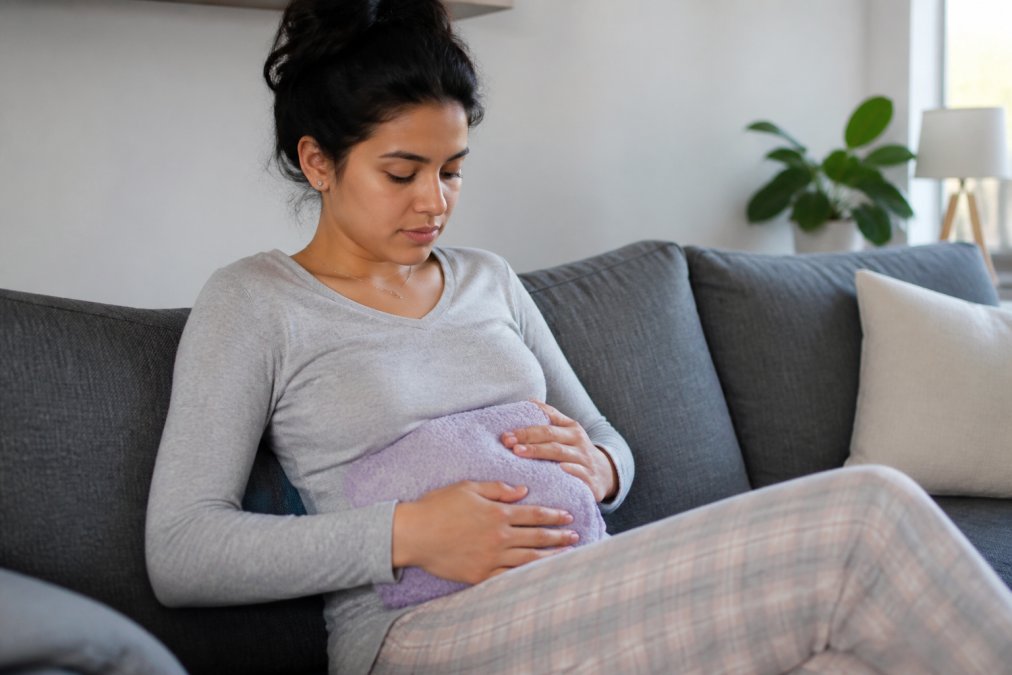
To use heat therapy effectively:
Choose your heat source. A heating pad set to medium heat (around 104°F) works best. Reusable heat packs, hot water bottles, or a warm towel all work in a pinch.
Apply directly to the source. Place heat on your lower abdomen or lower back depending on where you feel pain most intensely.
Use for 15-20 minute intervals. Apply heat, rest, and reapply as needed throughout the day.
Layer with comfort. Sit or lie down while using heat. Combine it with rest, deep breathing, or gentle movement to amplify the effect.
Gentle Movement and Stretching
Counterintuitively, gentle movement often reduces pain more effectively than complete rest. Light exercise increases endorphin production, improves blood flow, and prevents muscle stiffness that can amplify cramp sensations.
Walking is the simplest option. A 10-15 minute walk at a comfortable pace can noticeably reduce cramping. These three stretches address pelvic and abdominal tension:
Child’s pose. Kneel on the floor, bring your hips back toward your heels, and extend your arms forward. Hold for 30-60 seconds.
Knee-to-chest stretch. Lying on your back, pull one knee toward your chest and hold for 20-30 seconds. Repeat on both sides.
Cat-cow stretch. On hands and knees, alternate between arching your back (cow) and rounding it (cat). Move slowly for 1-2 minutes.
Many women find that 5-10 minutes of stretching provides noticeable relief within 15 minutes.
Combine heat and stretching for faster relief: apply a heating pad while doing gentle stretches or yoga poses. The warmth relaxes muscles while movement prevents stiffness from building up.
Herbal Teas and Botanical Remedies for Cramp Relief
Herbal infusions have been used for menstrual discomfort for centuries, and several botanicals have demonstrated real effects on pain and inflammation.
Ginger and Turmeric Infusions
Ginger is one of the most studied botanicals for menstrual cramp relief. Ginger root contains compounds that reduce prostaglandin production, the inflammatory mediators that trigger uterine contractions (peer-reviewed research).
To prepare ginger tea:
Use fresh ginger root. Slice a 1-2 inch piece of fresh ginger into thin rounds.
Steep in hot water. Pour 8 oz of hot water over the ginger slices and let steep for 5-10 minutes.
Drink 2-3 cups daily during your period. Start drinking a day or two before your period begins for best results.
Add honey or lemon if needed. Honey smooths the sharp taste, and lemon adds brightness.
Turmeric works through a similar mechanism. The active compound curcumin reduces inflammation and has pain-relieving properties. To make turmeric-ginger infusion, combine equal parts fresh ginger and turmeric, steep together for 8-10 minutes, and add a pinch of black pepper to increase curcumin absorption.
Chamomile and Peppermint Tea
Chamomile and peppermint relax smooth muscle tissue and ease digestive tension that often accompanies menstrual discomfort. Chamomile promotes muscle relaxation, while peppermint reduces muscle spasms and improves digestive function.
To prepare chamomile-peppermint blend:
Use dried herbs or tea bags. Use 1 tablespoon of dried chamomile and 1 tablespoon of dried peppermint per 8 oz of water.
Steep for 5-7 minutes. These herbs release their active compounds quickly.
Drink 2-3 cups daily. These herbs are gentle enough for frequent consumption throughout the day.
Combine with ginger if you want anti-inflammatory plus relaxation. A blend of all three addresses multiple aspects of menstrual discomfort.
Avoid herbal teas if you’re on certain medications, particularly blood thinners or hormonal birth control. Ginger in particular can interact with anticoagulants. Check with your healthcare provider before adding medicinal herbs to your routine.
Foods That Help with Period Cramps: Nutrition Strategies
What you eat during your menstrual cycle directly affects inflammation levels, hormonal balance, and pain intensity. An anti-inflammatory diet reduces prostaglandin production and supports the body’s natural pain management systems.
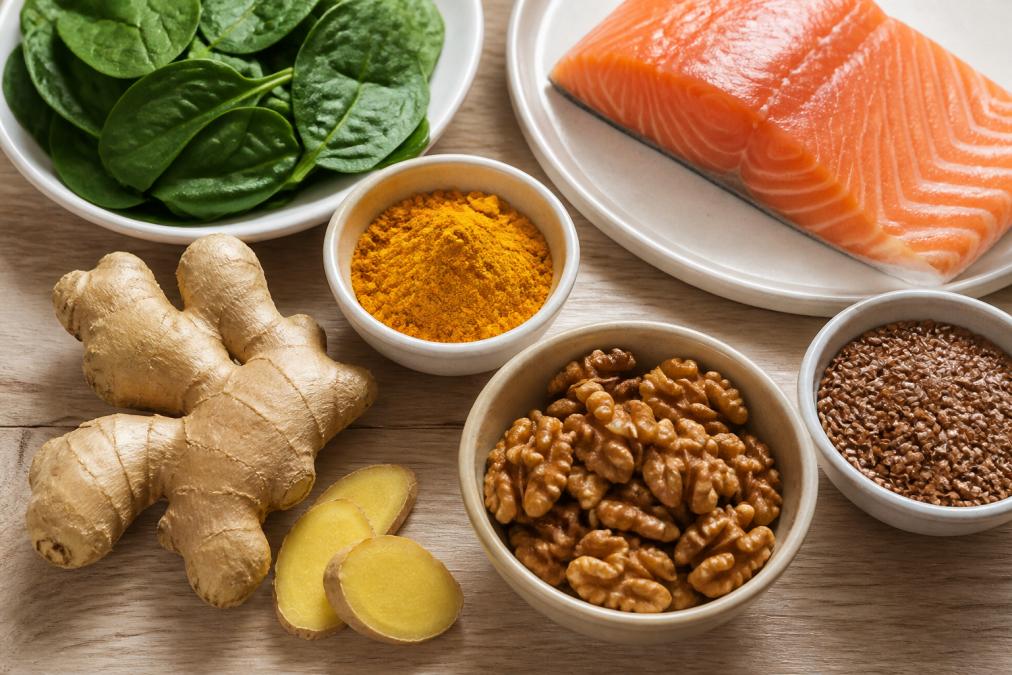
Anti-Inflammatory Foods and Omega-3 Sources
Omega-3 fatty acids are among the most powerful dietary tools for reducing menstrual pain. These essential fats decrease inflammation throughout the body and specifically reduce prostaglandin levels.
The best omega-3 sources include:
Fatty fish. Salmon, mackerel, sardines, and herring contain high concentrations of EPA and DHA. Aim for 2-3 servings per week, with at least one during your menstrual period.
Flaxseeds. Ground flaxseeds contain ALA (alpha-linolenic acid), a plant-based omega-3. Add 1-2 tablespoons to oatmeal, yogurt, or smoothies daily.
Walnuts. A small handful provides meaningful omega-3 content and is convenient for snacking or adding to salads.
Chia seeds. Similar to flaxseeds, chia seeds deliver omega-3s along with fiber and minerals.
Other anti-inflammatory foods include leafy greens rich in magnesium and iron, berries containing anthocyanins, and turmeric and ginger incorporated into cooking.
Magnesium-Rich Foods and Hydration
Magnesium deficiency is common among women with severe menstrual cramps (peer-reviewed research). This mineral regulates muscle contraction and relaxation; insufficient magnesium means muscles stay tense longer. Increasing dietary magnesium in the days before and during your period directly reduces cramp intensity.
Foods highest in magnesium include pumpkin seeds (150 mg per ounce), almonds (100 mg per quarter-cup), dark chocolate (65-70 mg per ounce), and legumes like black beans and chickpeas (60-100 mg per cooked cup).
Hydration is equally important. Dehydration worsens cramping and bloating. During your menstrual cycle, increase water intake to at least 80-100 ounces daily. Drink a glass of water every 2 hours and add magnesium-rich foods to at least two meals daily during your period.
Natural Supplements for PMS and Menstrual Discomfort
While dietary changes and herbal teas address immediate and short-term relief, supplements support long-term hormonal balance and reduce cramp severity over multiple cycles.
Magnesium supplementation deserves particular attention. If you can’t consume enough magnesium through food, a supplement of 300-400 mg daily (starting 2-3 days before your period) reduces cramp intensity significantly. Magnesium glycinate is the most absorbable form and least likely to cause digestive upset.
Calcium and magnesium work together. Research shows that women with adequate calcium intake experience fewer and less severe cramps. A combined supplement of 1,000 mg calcium with 400 mg magnesium, taken daily, reduces menstrual pain over time.
Vitamin D deficiency is increasingly recognized as a factor in severe menstrual cramps. A daily supplement of 1,000-2,000 IU supports hormonal balance and reduces inflammation.
For comprehensive support, cycle 180 provides an all natural powdered dietary supplement made with a blend of herbs, vitamins, and minerals designed to support menstrual wellness, comfort, and overall well being throughout the monthly cycle. A targeted supplement like cycle 180 concentrates on what actually reduces cramps and supports hormonal balance, unlike a standard multivitamin that provides baseline nutrition but doesn’t deliver therapeutic doses.
Start any new supplement 1-2 weeks before your expected period. This allows your body time to absorb and use the nutrients before cramps begin. Consistency across multiple cycles matters more than a single dose.
Sleep Hygiene and Stress Management During Your Cycle
Pain perception intensifies when you’re sleep-deprived or stressed. Menstrual cramps feel worse when you’re exhausted, and stress hormones amplify pain signaling. Prioritizing sleep and stress management during your menstrual cycle is as important as any physical remedy.
Sleep disruption during menstruation is common due to hormonal fluctuations, discomfort, and anxiety. Yet poor sleep worsens cramping. Practical sleep strategies include maintaining consistent sleep and wake times, keeping your bedroom cool (65-68°F) and dark, limiting screens 1 hour before bed, avoiding caffeine after 2 PM, and using relaxation techniques like progressive muscle relaxation or guided breathing.
Stress management works through multiple pathways. Chronic stress elevates cortisol, which increases inflammation and pain sensitivity. Effective stress management during menstruation includes gentle yoga, meditation, time in nature, and social connection. Women who expect severe cramps often experience worse pain than those with more neutral expectations.
Building Your Personalized Menstrual Wellness Routine
The most effective approach to natural remedies for menstrual cramps isn’t one-size-fits-all. Building a personalized routine means experimenting with different strategies, tracking what works, and refining your approach over 2-3 cycles.
Start by identifying your pain pattern. When do cramps typically begin? How long do they last? What intensity? Track this for one cycle using a simple calendar or period-tracking app.
Next, test immediate relief techniques. Try heat therapy for one cycle, gentle movement for another. Most women find heat works within 15-20 minutes while movement takes 20-30 minutes but provides longer-lasting relief.
Then layer in dietary changes. Add magnesium-rich foods or omega-3 sources to your diet starting 3-5 days before your period. Notice whether bloating, energy levels, or pain intensity shift.
Finally, consider whether a comprehensive supplement supports your routine. If you’re managing multiple individual supplements or struggling to remember separate doses, a single daily supplement like cycle 180 simplifies your regimen. The herbs and nutrients work synergistically: magnesium reduces muscle tension, ginger addresses inflammation, and other botanicals support hormonal balance.
Track your results after 2-3 cycles. Are cramps less intense? Shorter in duration? Are you managing them without ibuprofen or with lower doses?
| Strategy | Best For | Time to Relief | Consistency Needed |
|---|---|---|---|
| Heat therapy | Immediate pain | 15-20 minutes | During acute cramps |
| Gentle stretching | Sustained relief | 20-30 minutes | During acute cramps |
| Herbal teas | Inflammation reduction | 30-60 minutes | 2-3 cups daily during period |
| Dietary magnesium | Muscle relaxation | 24-48 hours | Daily during cycle |
| Omega-3 foods | Long-term inflammation | 3-5 cycles | 2-3 servings weekly |
| Supplements (cycle 180) | Comprehensive support | 1-2 cycles | Daily, year-round |
| Sleep optimization | Pain perception | Ongoing | Nightly |
| Stress management | Nervous system calm | Immediate to daily | As needed |
Natural remedies for menstrual cramps address the root causes of pain, inflammation, muscle tension, hormonal imbalance, and stress, rather than just masking symptoms. Heat relaxes muscles. Ginger and turmeric reduce prostaglandins. Magnesium supports muscle function. Sleep and stress management calm pain perception.
The challenge most women face isn’t finding remedies that work, it’s maintaining consistency and managing multiple interventions. This is where cycle 180 simplifies menstrual wellness. By combining magnesium, anti-inflammatory herbs like ginger and turmeric, and supporting nutrients into a single daily powder, cycle 180 removes the friction of remembering separate supplements or preparing multiple remedies. For women who’ve tried multiple approaches and want a simplified, comprehensive solution, cycle 180 provides the integrated support your body needs throughout your menstrual cycle. Start with the immediate relief techniques in this guide, layer in dietary changes, and consider whether a targeted supplement fills the gaps in your routine.
Frequently Asked Questions
How quickly do natural remedies work for menstrual cramps?
Heat therapy and stretching can provide relief within 15-30 minutes of application. Herbal teas typically work within 30-45 minutes. However, natural supplements for PMS work best when taken consistently throughout your cycle rather than as emergency treatment. Most women notice improved comfort after 2-3 menstrual cycles of regular use. Results vary based on cramp severity, individual body chemistry, and remedy type.
Can natural remedies replace over-the-counter pain medication?
Natural remedies for menstrual cramps can significantly reduce discomfort for many women, but severe dysmenorrhea may require medical consultation. Some women use natural approaches alongside medication rather than as complete replacements. Heat therapy, gentle exercise, and targeted nutrition address underlying inflammation, while supplements support hormonal balance. If cramps severely limit your daily activities, discuss options with your healthcare provider to determine the best approach for your situation.
What's the difference between natural supplements for PMS and over-the-counter options?
Natural supplements typically contain herbs, minerals like magnesium, and vitamins that address hormonal balance and inflammation throughout your cycle. They're designed for ongoing use to prevent symptoms rather than acute relief. Over-the-counter pain relievers target immediate pain signals. Many women find that consistent use of natural supplements reduces their need for pain medication. Quality, sourcing, and third-party testing vary significantly between brands, so research ingredients and certifications carefully.
Are there foods I should avoid during menstruation to reduce cramping?
Foods high in caffeine, refined sugars, and saturated fats can increase inflammation and worsen menstrual cramps. Processed foods and excess sodium may contribute to bloating and discomfort. Limiting alcohol during menstruation can also help, as it dehydrates your body and intensifies pain perception. Instead, focus on anti-inflammatory foods like fatty fish, leafy greens, nuts, and whole grains. Staying hydrated is equally important, aim for at least 8-10 glasses of water daily during your cycle.
This article was written using GrandRanker