
Table of Contents
- Understanding Your Menstrual Cycle Phases and Hormonal Changes
- Cycle Syncing: Adapting Your Routine to Your Menstrual Cycle
- Nutrition for Menstrual Cycle Health: Foods and Supplements
- Exercise and Movement Throughout Your Cycle
- Natural Remedies for Period Cramps and Symptom Relief
- How to Regulate Your Period Naturally Through Sleep and Stress
- Period Tracking for Cycle Health and Symptom Patterns
- Building Your Holistic Menstrual Wellness Routine
- Frequently Asked Questions
Last Updated: October 12, 2026
Understanding Your Menstrual Cycle Phases and Hormonal Changes
Your menstrual cycle is a complex interplay of hormonal shifts that repeat roughly every 28 days, though cycles typically range from 21 to 35 days (value is what Coveo indexes and uses as the title in Search Results.–> <title>Abnormal…). Understanding the phases and how hormones drive these changes is foundational to managing your wellness holistically, allowing you to align nutrition, exercise, sleep, and stress management with your body’s natural rhythms.
The Four Phases of Your Cycle
Your menstrual cycle consists of four distinct phases, each lasting roughly one week. The menstruation phase begins on day one and typically lasts three to seven days.
The follicular phase begins after menstruation ends and extends until ovulation. Estrogen levels rise gradually, and many women report increased energy, improved mood, and mental clarity.
Ovulation marks the midpoint of your cycle, typically around day 14. A surge in luteinizing hormone triggers the release of an egg from the ovary. This brief but significant phase is when fertility peaks and many women feel their most energized and confident.
The luteal phase follows ovulation and lasts until menstruation begins again. Progesterone levels rise, and many women experience shifts in mood, appetite, and energy.
How Hormones Drive Your Cycle
Three primary hormones orchestrate your menstrual cycle: estrogen, progesterone, and luteinizing hormone (LH). Estrogen peaks during the follicular phase and again during ovulation, contributing to increased energy and mood elevation. Progesterone dominates the luteal phase, promoting a calmer, more introspective state, though when progesterone drops rapidly before menstruation, some women experience mood swings or anxiety.
Understanding these hormonal patterns helps explain why you might feel differently at different times of the month. This knowledge forms the basis for cycle syncing, a practice that tailors your daily habits to your current hormonal phase.
Cycle Syncing: Adapting Your Routine to Your Menstrual Cycle
Cycle syncing is the practice of intentionally adjusting your nutrition, exercise intensity, social activities, and self-care routines to align with the four phases of your menstrual cycle.
During the menstrual phase, your body benefits from warming, nourishing foods and gentler movement, like warm soups, herbal teas, and restorative yoga rather than high-intensity workouts.
The luteal phase calls for a shift back toward gentler practices. Your caloric needs actually increase slightly during this phase, so adequate nutrition becomes even more important.
Cycle syncing isn’t about rigid rules; it’s about listening to your body. Not every woman experiences pronounced hormonal shifts, and some practices may not align with your experience. The goal is personalization, finding what supports your individual menstrual cycle health.
Nutrition for Menstrual Cycle Health: Foods and Supplements
Nutrition plays a central role in supporting menstrual cycle health. Each phase has different nutritional demands, and strategic food choices can help stabilize hormones, reduce inflammation, and ease symptoms.
Supportive Foods by Cycle Phase
During the menstrual phase, prioritize iron-rich foods to replenish what’s lost through bleeding: red meat, leafy greens like spinach, legumes, and fortified cereals. Warm foods and drinks, herbal teas, broths, and stews, support circulation and comfort.
The follicular phase is an excellent time to increase fresh vegetables, lean proteins, and whole grains. As estrogen rises, your metabolism increases slightly, so nutrient-dense foods support this phase well, and many women find lighter meals and fresh fruits appealing.
During ovulation, maintain consistent nutrition. Some women find that slightly increasing complex carbohydrates supports stable energy through this phase. Continue prioritizing protein and vegetables.
The luteal phase calls for increased caloric intake, since your body burns more calories. Complex carbohydrates help stabilize serotonin levels, which can dip during the late luteal phase, and magnesium-rich foods like pumpkin seeds, dark chocolate, and leafy greens may reduce bloating and support mood.
Micronutrients That Matter
Several micronutrients are particularly important for menstrual cycle health. Magnesium supports muscle relaxation and may ease menstrual discomfort. Iron is essential, especially with heavy bleeding. Vitamin D plays a role in hormone regulation, and many women are deficient, particularly in winter. Calcium and vitamin B6 have been studied in relation to PMS symptom management.
Rather than chasing individual supplements, many women benefit from a comprehensive approach that includes whole foods rich in these nutrients, combined with a targeted supplement like a menstrual wellness powder that contains a blend of supportive herbs, vitamins, and minerals. A quality supplement can fill gaps in your diet and provide consistent support when whole-food sourcing feels challenging.
Exercise and Movement Throughout Your Cycle
Your body’s capacity for exercise and recovery shifts throughout your menstrual cycle, and adjusting workout intensity can optimize performance and injury prevention.
During the menstrual phase, gentle movement is ideal.
The follicular phase is when your body is primed for building strength and endurance. Estrogen levels support muscle recovery, and many women feel motivated to push harder.
Ovulation represents peak energy and performance capacity, when you might tackle your most challenging workouts or try something new.
During the luteal phase, return to moderate intensity. Your body is more prone to injury during the late luteal phase, so don’t push personal records.
Individual variation is significant. Some women don’t notice dramatic shifts in exercise capacity, while others find cycle-synced movement profoundly impacts how they feel.
Natural Remedies for Period Cramps and Symptom Relief
Menstrual discomfort is common, and many women explore natural approaches alongside or instead of over-the-counter pain relief.
Heat, Herbal Support, and Traditional Approaches
Heat is one of the most widely used and evidence-supported natural approaches to period comfort.
Herbal approaches have been used across cultures for centuries. Ginger has a long history in traditional medicine for supporting menstrual wellness. Turmeric, another anti-inflammatory herb, is sometimes used similarly. Herbal teas containing chamomile, peppermint, or ginger may provide comfort and support relaxation.
Acupuncture and traditional Chinese medicine have been used for thousands of years. Some women report that regular sessions help regulate their cycle and reduce symptoms, though individual responses vary widely.
Yoga, particularly poses that gently stretch the abdomen and pelvis, may help ease cramping for some women. Gentle twists, forward folds, and restorative poses are often recommended during menstruation.
When to Seek Professional Care
While natural remedies can support comfort, recognize when symptoms warrant professional evaluation. Severe dysmenorrhea (intense menstrual pain that disrupts daily life) may indicate an underlying condition like endometriosis or fibroids (value is what Coveo indexes and uses as the title in Search Results.–>…).
Similarly, if your periods are extremely heavy (soaking through a pad or tampon every hour for several hours), last longer than seven days, or involve large clots, these can signal conditions that benefit from medical evaluation. Irregular periods, significant changes in cycle length or pattern, also warrant professional assessment. A healthcare provider can help determine whether your symptoms are within normal variation or indicate something requiring treatment.
How to Regulate Your Period Naturally Through Sleep and Stress
Sleep and stress management profoundly influence menstrual cycle regularity and symptom severity. Your circadian rhythm directly affects hormone production, and disrupted sleep can throw your cycle off balance.
Aim for consistent sleep timing, going to bed and waking at roughly the same time each day, even on weekends. During the luteal phase, many women need slightly more sleep, so honoring that need rather than fighting it supports overall wellness.
Stress triggers cortisol release, which can suppress reproductive hormones and disrupt cycle regularity. Chronic stress is linked to irregular periods, heavier bleeding, and intensified PMS symptoms (pubmed.ncbi.nlm.nih.gov).
The luteal phase, particularly the late luteal phase, is when stress management becomes especially important. Many women are more emotionally sensitive during this time, and stress hits harder.
Period Tracking for Cycle Health and Symptom Patterns
Tracking your cycle provides invaluable data about your menstrual cycle health and helps identify patterns that might otherwise go unnoticed.
Record the start and end dates of menstruation, along with flow intensity. Note when you ovulate if you track this (through basal body temperature, cervical mucus changes, or ovulation predictor kits).
This data becomes invaluable if you ever need to discuss menstrual health with a healthcare provider, and it helps you anticipate your needs.
Tracking also helps distinguish normal cycle variation from genuine irregularities. Many women think their cycles are irregular when they’re actually within the normal range of 21-35 days.
Building Your Holistic Menstrual Wellness Routine
Creating a sustainable menstrual wellness routine means integrating practices that resonate with you into daily life. Start small rather than overhauling everything at once.
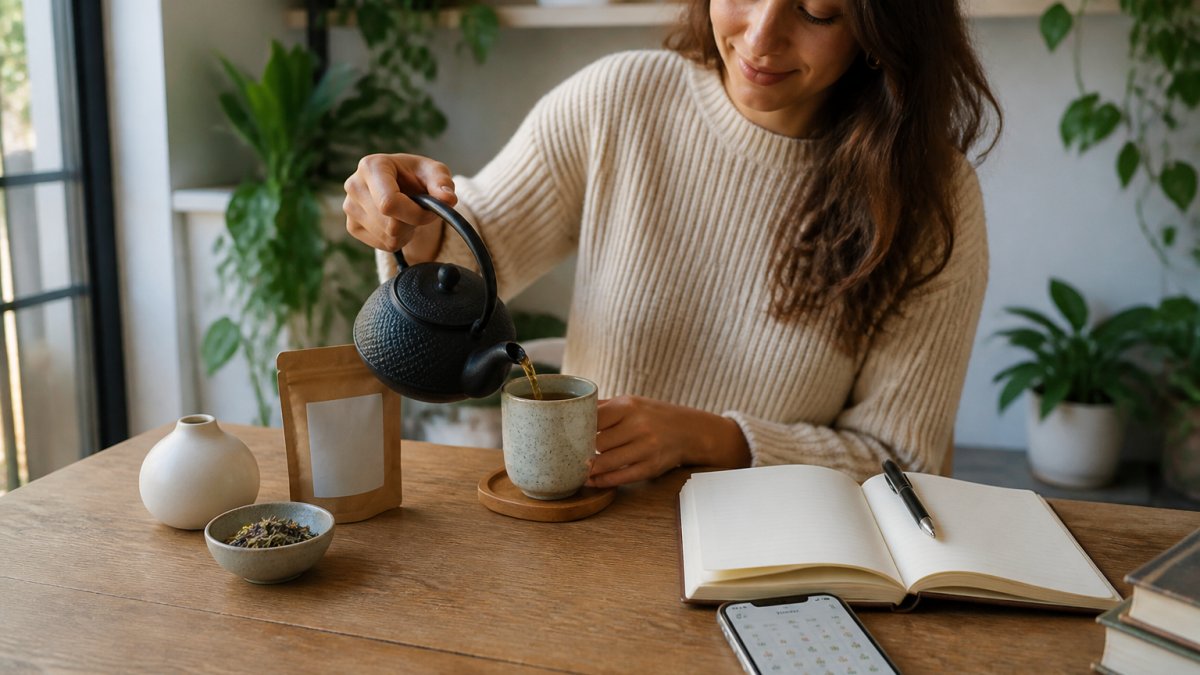
Choose one or two practices to begin with, perhaps cycle-synced exercise and one dietary shift. Once those feel natural, add another element.
Consistency matters more than perfection. Taking a menstrual wellness supplement daily, prioritizing sleep most nights, and moving regularly will have more impact than sporadic intensive efforts.
Consider what support would make your routine sustainable.
Remember that your menstrual cycle health is deeply personal. What works for one woman might not resonate with another.
Managing your menstrual cycle health holistically requires understanding your body’s natural rhythms and supporting them with intentional choices around nutrition, movement, sleep, and stress.
Frequently Asked Questions
What are the best natural ways to relieve period cramps?
Heat therapy is one of the most effective approaches, warm baths, heating pads, or warm compress on your abdomen can ease menstrual cramps by increasing blood circulation and relaxing muscles. Herbal support through ginger, turmeric, and other anti-inflammatory herbs has been used traditionally to manage period pain. Gentle movement like yoga and stretching, adequate hydration, and magnesium-rich foods also help. For severe dysmenorrhea, these approaches work best alongside professional guidance rather than as replacements for medical care.
How does nutrition support menstrual cycle health?
Your nutritional needs shift across your menstrual cycle. During the follicular phase, focus on lighter foods and complex carbohydrates. In the luteal phase, increase calories and supportive nutrients like magnesium, calcium, and omega-3 fatty acids to manage PMS symptoms. Iron-rich foods help offset losses during menstruation. Warm foods, adequate protein, and consistent hydration support hormone balance throughout your cycle. A holistic approach to menstrual cycle health recognizes these nutritional shifts and adjusts your diet accordingly.
Can stress really affect your menstrual cycle?
Yes. Stress triggers cortisol release, which interferes with reproductive hormones and can disrupt cycle regularity, delay periods, or intensify PMS symptoms. Chronic stress may also worsen menstrual cramps and emotional well-being. Stress management through yoga, meditation, adequate sleep, and social connection helps regulate your nervous system and supports hormonal balance. Even small daily practices like breathing exercises or time in nature can meaningfully impact your menstrual health.
When should I talk to a healthcare provider about my menstrual cycle?
Seek professional care if you experience severe pain that limits daily activities, heavy bleeding that soaks through products, cycles shorter than 21 days or longer than 35 days, missed periods, or symptoms that significantly affect your quality of life. These may indicate conditions like dysmenorrhea, hormonal imbalance, or thyroid dysfunction that benefit from professional evaluation. A healthcare provider can rule out underlying conditions and help you develop a personalized wellness plan that complements natural approaches.
What is cycle tracking and how does it support menstrual health?
Cycle tracking involves recording your period dates, symptoms, energy levels, and mood patterns over several months to identify your unique cycle rhythm. This data helps you understand which symptoms occur when, predict your fertile window, and recognize patterns that inform nutrition and exercise choices. Tracking also reveals irregularities that warrant professional attention and helps you communicate cycle details to healthcare providers. Many women find tracking empowering, it transforms menstruation from a mystery into measurable, manageable information.
How long does it take to notice benefits from natural menstrual wellness approaches?
Timeline varies based on your starting point and consistency. Some women notice improved energy and reduced bloating within one cycle of adjusting nutrition and stress habits. Period pain relief may take 2-3 cycles of consistent practice. Cycle regularity improvements typically require 3-6 months of sustained lifestyle changes. Herbal supplements work best as part of a holistic routine rather than standalone fixes. Tracking your symptoms over time reveals patterns and confirms whether your approach is working for your individual menstrual cycle health.
Can I combine natural approaches with birth control or other medications?
Many natural approaches, nutrition, exercise, stress management, and herbal supplements, can complement hormonal birth control or other medications. However, some herbal remedies may interact with medications. Before adding supplements, discuss them with your healthcare provider, especially if you take birth control, thyroid medications, or other prescriptions. Your provider can confirm that herbal ingredients won’t interfere with your current treatment and help you build a safe, integrated wellness plan that supports your menstrual health.