
Table of Contents
- Understanding the Gut-Hormone Connection
- Signs of Hormonal Imbalance in Women
- Step 1: Eat Foods for Gut Health and Hormones
- Step 2: How to Reduce High Estrogen Levels Naturally
- Step 3: Manage Stress and Cortisol Levels
- Step 4: Prioritize Hydration and Movement
- Step 5: Support Gut Healing and Permeability
- Step 6: Track Symptoms and Test When Needed
- Frequently Asked Questions
Last Updated: September 26, 2026
Understanding the Gut-Hormone Connection
The link between your gut and your hormones is more direct than you might think. Your digestive system doesn’t just break down food, it actively regulates how your body produces, metabolizes, and eliminates hormones. This relationship is so fundamental that scientists have a name for it: the gut-hormone axis. When your gut isn’t functioning well, your hormones suffer. When your hormones are out of balance, your digestion struggles. It’s a two-way street.
Supporting gut health hormonal balance isn’t optional, it’s foundational. Most women focus on supplements or medication alone, missing that their gut microbiome either helps or hinders every treatment they try.
What Is the Estrobolome?
The estrobolome is the collection of bacteria in your gut that directly influence estrogen levels. These microbes produce enzymes that break down estrogen so your body can eliminate it. Without a healthy estrobolome, estrogen recirculates in your bloodstream instead of leaving your system. The result: elevated estrogen, which drives PMS symptoms, irregular cycles, and mood swings.
Your estrobolome bacteria need fiber, diversity (many bacterial species), and protection from antibiotics, processed foods, and chronic stress. Support these conditions, and your estrobolome supports your hormones.
How Gut Dysbiosis Affects Hormone Levels
Gut dysbiosis, too few good bacteria, too many harmful ones, or insufficient diversity, prevents your estrobolome from functioning. Estrogen doesn’t get metabolized and recirculates, creating the experience of high estrogen even if actual levels aren’t technically elevated.
Dysbiosis also increases inflammation in your gut lining. Inflammation triggers systemic inflammation throughout your body, which disrupts the signaling between your gut and your brain. Your brain controls your pituitary gland, which controls your ovaries. Disrupt that communication, and your entire hormonal cascade gets thrown off.
Common causes of dysbiosis include:
- Antibiotics (even one course can damage diversity for months)
- High sugar and processed food diets
- Chronic stress and elevated cortisol
- Insufficient fiber intake
- Poor sleep and irregular circadian rhythms
Signs of Hormonal Imbalance in Women
Common signs of hormonal imbalance include severe menstrual cramps, irregular cycles, intense PMS symptoms, persistent bloating, unexplained weight gain, fatigue, and skin issues. Some women experience brain fog, anxiety, or depression tied to their cycle; others notice fluctuating sex drive, hair loss, dry skin, or temperature regulation problems.
The key insight: if your symptoms follow a pattern tied to your menstrual cycle, your gut-hormone axis is likely involved. The gut influences sex hormones directly. Support your gut, and these symptoms often improve.
Step 1: Eat Foods for Gut Health and Hormones
What you eat either feeds beneficial bacteria or feeds harmful ones. This is the most direct lever you have to shift your microbiome.
Probiotic-Rich and Fermented Foods
Probiotic-rich foods introduce beneficial bacteria directly into your gut. Fermented foods go further, they contain live cultures that have already begun breaking down food, making nutrients more bioavailable.
Include these regularly:
- Sauerkraut and kimchi (unpasteurized, refrigerated versions)
- Kefir and plain yogurt with live active cultures
- Miso paste and tempeh
- Kombucha (unsweetened or lightly sweetened)
- Natto and other fermented soy products
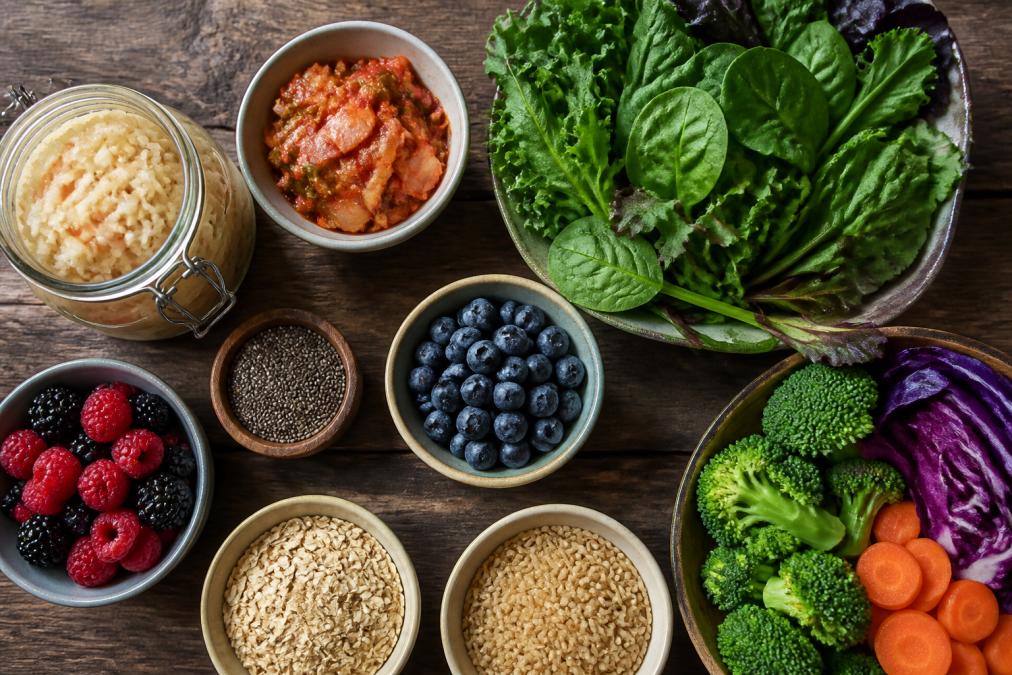
Start small if your gut is sensitive, a tablespoon of sauerkraut with lunch is enough. Your microbiome adapts over weeks, not days.
Fiber-Dense Foods for Microbiome Diversity
Fiber is the fuel your beneficial bacteria eat. Without enough fiber, even probiotic-rich foods can’t establish themselves. Aim for 30+ grams of fiber daily, but increase gradually to avoid bloating (Easy Ways to Boost Fiber in Your Daily Diet).
Best fiber sources for gut-hormone balance:
- Leafy greens and cruciferous vegetables (broccoli, Brussels sprouts, cabbage)
- Berries, especially blueberries and raspberries
- Legumes and beans
- Whole grains like oats and barley
- Nuts and seeds, particularly flax and chia
- Root vegetables like sweet potatoes and carrots
This fiber feeds beneficial bacteria and supports short-chain fatty acid production, which strengthens your gut lining and reduces inflammation, both critical for hormonal balance.
Increase fiber slowly over 2-3 weeks. Jumping from 15 grams to 35 grams overnight causes bloating and digestive distress. Your microbiome needs time to adapt to the increased food supply.
Step 2: How to Reduce High Estrogen Levels Naturally
Elevated estrogen is one of the most common hormonal imbalances in women. It drives heavy periods, severe cramps, breast tenderness, and mood swings. The estrobolome is your primary tool for reducing high estrogen levels naturally.
Support Estrogen Metabolism Through Fiber
Your liver processes estrogen; your gut bacteria complete the job by breaking down estrogen for elimination. This estrogen metabolism depends entirely on a healthy estrobolome.
Fiber binds to estrogen in your gut, preventing reabsorption. Without adequate fiber, estrogen gets reabsorbed into your bloodstream.
Cruciferous vegetables like broccoli contain compounds called glucosinolates that directly support estrogen breakdown. Eating broccoli isn’t just general healthy eating, it’s targeted hormone support. Aim for one serving of cruciferous vegetables daily.
Avoid Sugar and Processed Foods
Sugar and processed foods feed harmful bacteria while starving beneficial ones. They also increase inflammation, which impairs your gut lining’s ability to function properly.
When your gut lining becomes permeable (“leaky gut”), bacterial lipopolysaccharides enter your bloodstream, triggering systemic inflammation that disrupts hormone signaling and worsens estrogen metabolism.
The single most impactful dietary change for hormonal balance is replacing processed foods with whole foods that feed beneficial bacteria. This shift alone often reduces PMS symptoms within one cycle.
Step 3: Manage Stress and Cortisol Levels
Stress hormones and sex hormones compete for the same biochemical resources. When cortisol (your stress hormone) runs high, progesterone production drops. Your body prioritizes survival over reproduction.
Stress management is essential for hormonal balance. Practical practices include:
- Deep breathing: 5 minutes daily, 4-count inhale, 6-count exhale
- Walking outside: 20-30 minutes daily in natural light
- Meditation or journaling: 10 minutes daily
- Yoga or gentle stretching: 15-20 minutes, 3-4 times weekly
- Limiting caffeine: excess caffeine elevates cortisol
- Consistent sleep schedule: cortisol follows your circadian rhythm
Step 4: Prioritize Hydration and Movement
Hydration and Estrogen Clearance
Movement, Gut Motility, and Hormone Metabolism
The timing of movement matters as much as the type. Morning movement in natural light resets your circadian rhythm and improves hormone clearance throughout the day. Evening movement, especially intense exercise, can disrupt sleep and elevate cortisol when it should be declining.
Many women notice improved digestion and reduced bloating within 1-2 weeks of consistent daily movement. Hormone symptoms often improve within one full cycle.
Step 5: Support Gut Healing and Permeability
If your gut lining is damaged (permeable), supporting its repair is critical. A damaged gut lining allows bacterial endotoxins and undigested food particles into your bloodstream, triggering inflammation and hormonal disruption.
Specific nutrients support gut lining repair:
- L-glutamine: amino acid that rebuilds gut lining cells
- Bone broth: contains collagen and amino acids that strengthen your intestinal barrier
- Zinc: essential for maintaining tight junctions in your gut lining
- Omega-3 fatty acids: reduce inflammation and support healing
- Vitamin A: supports mucus layer that protects your gut lining
Food sources for these nutrients:
- Bone broth, grass-fed beef, and wild-caught fish
- Oysters, pumpkin seeds, and chickpeas
- Fatty fish like salmon and mackerel
- Sweet potatoes, carrots, and dark leafy greens
If you have severe dysmenorrhea or hormonal symptoms that don’t improve after 3 months of dietary changes, testing is important. Severe cases sometimes require targeted interventions beyond diet alone.
Step 6: Track Symptoms and Test When Needed
Tracking your symptoms helps you identify patterns and measure progress. Testing reveals what’s actually happening in your gut and hormones when symptoms don’t improve. Together, they create a clear picture of what your body needs.
When to Consider Testing
Testing isn’t always necessary, but it’s valuable when:
- Symptoms are severe and significantly impact your daily life
- Symptoms don’t improve after 8-12 weeks of dietary and lifestyle changes
- You have a history of antibiotics, hormonal birth control, or digestive issues
- You suspect specific food sensitivities or intolerances
- You want to identify the root cause rather than guessing
Working With a Healthcare Provider
- Order appropriate tests based on your symptoms
- Interpret results in context of your specific situation
- Create a targeted protocol based on test findings
- Monitor progress and adjust recommendations
Frequently Asked Questions
How does the estrobolome affect hormonal balance?
The estrobolome is the collection of gut bacteria that regulate estrogen metabolism and reabsorption. When your microbiome diversity is healthy, these bacteria help break down excess estrogen for elimination through the digestive system. Dysbiosis or reduced bacterial diversity impairs this process, leading to higher circulating estrogen levels and symptoms like irregular periods, heavy bleeding, and mood changes. Supporting your estrobolome through fiber and probiotic-rich foods directly improves how efficiently your body manages estrogen.
Can gut health issues cause irregular periods?
Yes. A compromised gut lining and dysbiosis disrupt the gut-hormone axis, the bidirectional communication between your digestive system and endocrine system. Poor gut health increases inflammation and reduces short-chain fatty acid production, both of which interfere with hormone clearance and synthesis. This can trigger irregular cycles, missed periods, or prolonged bleeding. Healing your gut through nutrient-dense foods, stress management, and reducing inflammatory triggers often restores cycle regularity within 2-3 months.
What foods support both gut health and hormone regulation?
Fermented foods like sauerkraut, kimchi, and yogurt provide beneficial bacteria that strengthen your microbiome diversity. High-fiber foods including leafy greens, berries, legumes, and whole grains feed these bacteria and increase short-chain fatty acid production, which supports hormonal homeostasis. Omega-3-rich foods like flax seeds and fatty fish reduce systemic inflammation. Avoid processed foods and added sugars, which feed harmful bacteria and trigger insulin resistance, a major driver of hormonal imbalance. Consistency matters more than perfection; aim to include at least one fermented and one high-fiber food at each meal.
How long does it take to see improvements in hormonal symptoms after improving gut health?
Most women notice initial improvements in bloating, energy, and digestion within 2-4 weeks. Cycle regularity, mood stability, and pain reduction typically take 2-3 months as your gut lining heals and your microbiome rebalances. Severe dysbiosis or long-standing hormonal imbalance may require 3-6 months of consistent dietary and lifestyle changes. Tracking your symptoms in a cycle journal helps you identify patterns and recognize subtle improvements that might otherwise go unnoticed.