
Table of Contents
- What Is Perimenopause and Why Mood Swings Happen
- How Supplements Work for Perimenopause Mood Swings
- Top Supplements for Managing Perimenopause Symptoms Naturally
- Supplement Comparison Table
- Key Ingredients That Support Mood Stability
- Safety, Drug Interactions, and When to See a Doctor for Perimenopause Mood Swings
- Dosage Timing, Consistency, and What to Expect
- Conclusion
Last Updated: August 23, 2026
What Is Perimenopause and Why Mood Swings Happen
Perimenopause is the transition phase leading up to menopause, typically lasting 4-10 years, during which hormonal fluctuations create unpredictable shifts in estrogen and progesterone levels (the NIH). These changes directly impact brain chemistry, particularly serotonin regulation. When estrogen declines, serotonin levels drop alongside it, triggering sudden, intense mood swings.
What makes perimenopause different from regular PMS is the unpredictability. Your cycle becomes erratic, and estrogen spikes and crashes without warning, shifting mood from irritability to anxiety to sadness within hours. This is a genuine neurological response to fluctuating hormone levels, not a character flaw.
The best supplements for perimenopause mood swings address the root cause: hormonal dysregulation through targeted botanical extracts, vitamins, and minerals.

How Supplements Work for Perimenopause Mood Swings
Supplements designed for perimenopause mood swings operate through several interconnected mechanisms. Phytoestrogens, plant compounds that mimic estrogen, help fill the gap created by declining natural estrogen production. Black cohosh, for example, supports serotonin regulation rather than directly replacing estrogen.
Adaptogens like chaste berry (vitex) help your body’s endocrine system respond more intelligently to hormonal fluctuations by supporting progesterone production and stabilizing the hypothalamic-pituitary-adrenal (HPA) axis, reducing mood swing severity.
Micronutrient support addresses another critical piece. B-complex vitamins, particularly B6 and folate, are essential cofactors in serotonin synthesis. Magnesium glycinate supports nervous system regulation and prevents anxiety and irritability. Omega-3 fatty acids reduce inflammation and support brain health as estrogen’s neuroprotective effects decline.
Most perimenopause supplements take 4-8 weeks to show noticeable effects because they work on nervous system regulation and hormonal balance, not immediate symptom relief. Your brain needs time to adapt to more stable neurotransmitter levels.
Top Supplements for Managing Perimenopause Symptoms Naturally
1. Cycle 180 Hormone Balance for Women
Cycle 180 is an all-natural powdered supplement formulated with 19 herbs and minerals specifically designed to support hormonal balance and manage perimenopause symptoms, including mood swings, bloating, and sleep disruption. The formula includes Red Raspberry Leaf, Ginger, Cramp Bark, and Cinnamon.
What sets Cycle 180 apart is its powder format, which allows flexible consumption mixed into coffee, tea, water, juice, or smoothies. This matters because consistency is crucial for supplement effectiveness. The all-natural, non-GMO formulation with no artificial additives appeals to women seeking clean supplementation.
The 19-herb blend targets multiple pathways simultaneously, supporting nervous system regulation, reducing inflammatory responses, and promoting hormonal balance. This comprehensive approach addresses not just mood swings but the underlying hormonal dysregulation driving them.
Mix Cycle 180 into your morning coffee or evening tea. The warmth helps with absorption, and pairing it with a consistent daily ritual increases compliance, a critical factor in seeing results.
2. Amberen Perimenopause
Amberen Perimenopause targets 16 of 21 documented perimenopausal symptoms with a proprietary blend of succinates, amino acids, and vitamin E. The capsule format offers convenience, and the formula is clinically tested.
The succinates support cellular energy production, addressing the fatigue many women experience during perimenopause. By improving mitochondrial function, Amberen may help restore energy levels that often decline as estrogen drops. Users frequently report improvements in sleep quality and reduced hot flashes alongside mood stabilization.
The proprietary blend format means you won’t see exact amounts of individual ingredients. Request the full ingredient breakdown from the manufacturer before starting if you’re tracking specific nutrient intake or concerned about interactions.
3. Estroven Perimenopause Relief
Estroven Perimenopause Relief is formulated with Black Cohosh and Soy Isoflavones, two research-supported botanical ingredients for hot flashes and night sweats. The single-capsule daily dosage removes complexity.
Black cohosh appears to work through serotonin pathway support rather than direct estrogen replacement (peer-reviewed research). Soy isoflavones provide phytoestrogens that help stabilize the hormonal environment. Many users report significant reduction in hot flashes and night sweats within 2-3 weeks, which indirectly improves mood by restoring sleep quality.
The formula works best as part of a broader approach. If your primary mood disturbance stems from sleep disruption caused by night sweats, Estroven can be highly effective.
4. Thorne Meta-Balance
Thorne Meta-Balance is a premium-tier approach with botanical extracts of chaste tree, wild yam, black cohosh, and Pycnogenol, a patented pine bark extract with demonstrated anti-inflammatory and antioxidant properties. The formula balances both estrogen and progesterone support.
Pycnogenol has clinical evidence supporting its role in reducing hot flashes, improving mood, and supporting vascular health (peer-reviewed research). The formula also supports skin elasticity and bone density. Thorne’s reputation for quality manufacturing and third-party testing provides assurance that ingredients are accurately labeled and contaminant-free.
Women seeking premium-quality botanical support who are willing to invest in higher-cost supplementation and want assurance of third-party testing and accurate ingredient labeling.
5. Hum Nutrition Moody Bird
Hum Nutrition Moody Bird focuses specifically on hormonal mood support with Chaste Berry (Vitex agnus-castus) and Dong Quai (Angelica sinensis), two traditional herbs with centuries of use in women’s health. The formula targets hormone-related mood swings, irritability, and breast tenderness directly.
Chaste berry supports progesterone production and modulates dopamine levels, both critical for mood stability. Dong Quai provides phytoestrogens and may support blood flow and nervous system regulation. The vegan, gluten-free capsules meet dietary restrictions, and the clean label standards appeal to those seeking minimal-ingredient supplementation.
Supplement Comparison Table
| Supplement | Format | Key Ingredients | Best For | Mood Focus |
|---|---|---|---|---|
| Cycle 180 | Powder | 19 herbs/minerals (Red Raspberry, Ginger, Cramp Bark) | Multi-symptom support | Secondary benefit |
| Amberen Perimenopause | Capsule | Succinates, amino acids, vitamin E | Energy + symptom relief | Indirect (via sleep) |
| Estroven Perimenopause | Capsule | Black Cohosh, Soy Isoflavones | Hot flashes, night sweats | Indirect (via sleep) |
| Thorne Meta-Balance | Capsule | Chaste tree, wild yam, black cohosh, Pycnogenol | Premium botanical support | Secondary benefit |
| Hum Nutrition Moody Bird | Capsule | Chaste Berry, Dong Quai | Mood + hormonal balance | Primary focus |
Key Ingredients That Support Mood Stability
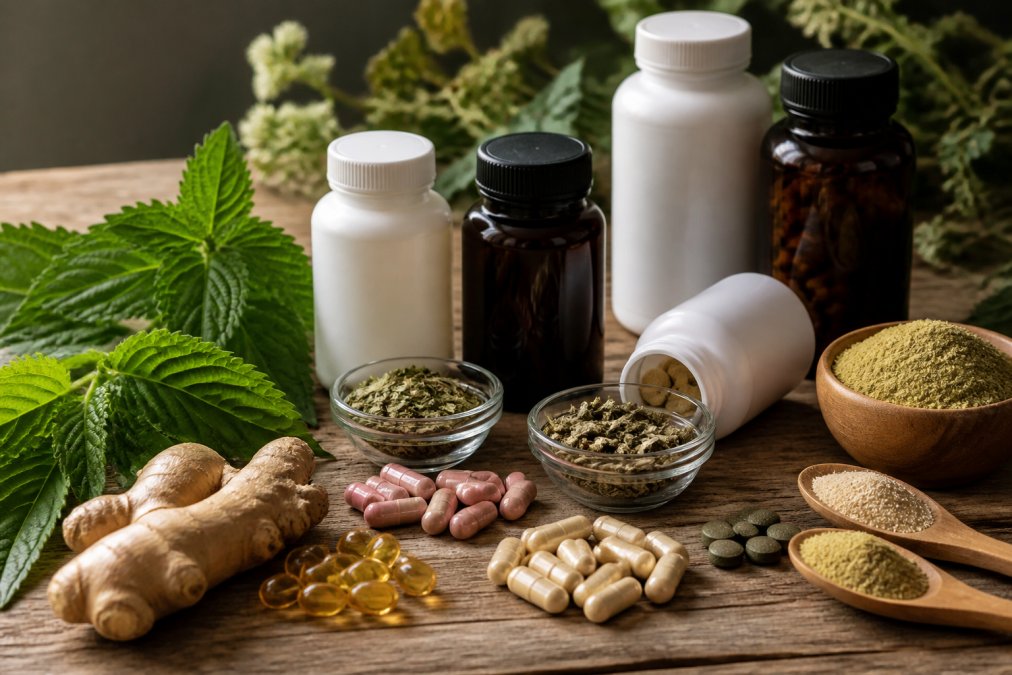
Black Cohosh is one of the most extensively studied herbs for perimenopause. It appears to support serotonin regulation and nervous system function, making it effective for mood swings independent of its effects on hot flashes. The typical dosage range is 40-80 mg daily.
Chaste Berry (Vitex) supports progesterone production and modulates dopamine levels. During perimenopause, progesterone decline often outpaces estrogen decline, creating an imbalance that drives irritability and anxiety. Dosage typically ranges from 160-240 mg daily, with effects appearing within 6-8 weeks.
Magnesium Glycinate is the most bioavailable form for nervous system support. Unlike magnesium oxide, glycinate is absorbed efficiently and doesn’t cause digestive upset. A typical dose is 200-400 mg daily, taken in the evening to support sleep quality.
B-Complex Vitamins, particularly B6 and folate, are essential cofactors in serotonin and dopamine synthesis. B6 at 50-100 mg daily and folate at 400-800 mcg daily provide meaningful support.
Omega-3 Fatty Acids reduce neuroinflammation and support brain cell membrane integrity. EPA and DHA have demonstrated effects on mood stability and anxiety reduction. A typical dose is 1,000-2,000 mg combined EPA/DHA daily with food.
Phytoestrogens (plant compounds that mimic estrogen) include soy isoflavones, red clover, and lignans. These help stabilize the hormonal environment during the transition, particularly useful for women experiencing severe estrogen decline.
Adaptogens like rhodiola and ashwagandha support your nervous system’s ability to respond intelligently to stress. During perimenopause, your stress response becomes more reactive due to hormonal changes. Adaptogens help normalize this response, reducing cortisol and adrenaline cascades that amplify mood swings.
Safety, Drug Interactions, and When to See a Doctor for Perimenopause Mood Swings
Supplements are active compounds that interact with your body’s chemistry. Some herbal supplements interact significantly with medications, and understanding these interactions is essential before starting any new regimen.
Black cohosh may interact with tamoxifen (used for breast cancer treatment) and certain antidepressants. Discuss supplementation with your healthcare provider before starting if you take prescription medications.
Chaste berry can reduce the effectiveness of dopamine antagonists and may interfere with some antipsychotic medications.
Magnesium supplements can interfere with certain antibiotics and bisphosphonates. Space magnesium supplementation at least 2 hours apart from these drugs.
Omega-3 supplements at high doses may increase bleeding risk if you’re taking blood thinners like warfarin.
When mood swings become severe enough to interfere with daily functioning, relationships, or work performance, this warrants professional evaluation. Perimenopause mood changes are hormonally driven, but they can also mask or coexist with clinical depression or anxiety disorders requiring additional treatment.
If you’re experiencing suicidal thoughts, severe depression, or mood swings so intense they feel uncontrollable, contact a mental health professional immediately. Supplements alone cannot treat clinical mood disorders.
See a healthcare provider if:
- Mood swings persist despite 8-12 weeks of consistent supplementation
- You’re experiencing suicidal ideation or severe depression
- Mood changes are accompanied by significant weight changes, sleep reversal, or loss of interest in activities you normally enjoy
- You’re taking multiple medications and want to confirm supplement safety
- You have a personal or family history of mood disorders
A qualified healthcare provider can order hormone level testing to confirm perimenopause, rule out thyroid dysfunction, and assess whether additional psychiatric support would be beneficial alongside supplementation.
Dosage Timing, Consistency, and What to Expect
The single biggest reason women abandon perimenopause supplements is unrealistic expectations about timeline. Most supplements require 6-8 weeks of consistent daily use before noticeable mood improvements appear.
Dosage timing matters. Fat-soluble vitamins absorb better with meals containing dietary fat. Take these with breakfast or lunch. Magnesium glycinate absorbs well regardless of meal timing but is often taken in the evening because it supports sleep quality.
Powdered supplements like Cycle 180 should be mixed thoroughly and consumed consistently at the same time daily. Many women find success mixing their powder into their morning coffee or evening tea, creating a daily ritual that’s easier to remember.
Consistency matters more than perfection. Missing one day won’t undo your progress, but missing 3-4 days per week will prevent therapeutic levels. If you’re struggling with adherence, set a phone reminder or pair supplement intake with an existing daily habit.
What to expect realistically:
- Weeks 1-2: Minimal change; some women report improved sleep quality
- Weeks 3-4: Subtle mood stabilization; irritability may feel slightly less intense
- Weeks 5-8: Noticeable improvements in mood consistency; reduced intensity of mood swings
- Weeks 8-12: Full effects typically apparent; most women report significant mood stability improvement
Individual variation is substantial. Some women see dramatic improvements within 4 weeks; others require 10-12 weeks. Your age, baseline hormone levels, overall health, diet quality, and stress levels all influence response speed.
If you’re not seeing any improvement after 12 weeks of consistent use, the supplement likely isn’t working for your individual biochemistry. Consider switching to a different supplement with different active ingredients or consulting a healthcare provider about alternative approaches.
Managing perimenopause mood swings requires addressing the hormonal dysregulation at their root. The best supplements combine targeted botanicals, micronutrient support, and nervous system regulation. Cycle 180 offers a comprehensive, all-natural approach with 19 herbs and minerals specifically formulated to support hormonal balance throughout the menstrual cycle and perimenopause transition. Its powder format allows flexible daily consumption, and the multi-symptom focus addresses not just mood but the underlying hormonal instability driving emotional changes. Start with consistent daily use for 6-8 weeks before evaluating effectiveness, and consult a healthcare provider if mood changes persist despite supplementation or if they interfere significantly with your daily life.
=== FAQ ANSWERS (audit these too, same rules) ===
[1] Q: What can I take for mood swings during perimenopause?
A: Supplements targeting perimenopause mood swings typically contain adaptogens, phytoestrogens, and neurotransmitter-supporting nutrients. Black cohosh, chaste tree, and soy isoflavones help regulate hormonal fluctuations, while B-complex vitamins and magnesium support serotonin levels and nervous system regulation. Cycle 180 combines 19 herbs and minerals including red raspberry leaf and ginger. Many women see improvements within 4-6 weeks of consistent use, though individual results vary based on symptom severity and overall health.
[2] Q: How do I know if a perimenopause mood swings supplement will actually work for my symptoms?
A: Look for products with clinical evidence or third-party testing to verify ingredient quality and potency. Check for specific ingredients with documented efficacy: black cohosh for hot flashes and mood stability, chaste tree for hormonal balance, and magnesium glycinate for anxiety and sleep support. Start with one supplement for at least 6-8 weeks before evaluating effectiveness, as hormonal shifts take time to stabilize. Track your symptoms daily using a journal or app to measure changes objectively rather than relying on general impressions.
[3] Q: Will perimenopause mood swings supplements interact with my birth control or other medications?
A: Yes, some supplements can interact with hormonal contraceptives, blood thinners, and certain psychiatric medications. Black cohosh may reduce estrogen effectiveness in birth control. Chaste tree can interfere with dopamine-regulating drugs. Discuss any supplement with your healthcare provider before starting, especially if you take prescription medications. Provide your doctor with a complete ingredient list from the supplement label. Some women find that herbal supplements complement rather than replace their current medications, but dosing adjustments may be necessary.
[4] Q: How long does it take to notice a difference from perimenopause mood swings supplements?
A: Most women report initial changes within 2-4 weeks, with more significant improvements by 6-8 weeks of consistent daily use. Dosage timing and consistency matter: taking supplements at the same time each day maximizes bioavailability and nervous system regulation. Some ingredients like magnesium work faster for acute anxiety, while phytoestrogens take longer to influence estrogen decline patterns. If you see no improvement after 8 weeks, the formulation may not match your specific symptom profile, and switching to a different supplement or consulting a healthcare provider is appropriate.
Frequently Asked Questions
Q: What can I take for mood swings during perimenopause?
Supplements targeting perimenopause mood swings typically contain adaptogens, phytoestrogens, and neurotransmitter-supporting nutrients. Black cohosh, chaste tree, and soy isoflavones help regulate hormonal fluctuations, while B-complex vitamins and magnesium support serotonin levels and nervous system regulation. Cycle 180 combines 19 herbs and minerals including red raspberry leaf and ginger. Many women see improvements within 4-6 weeks of consistent use, though individual results vary based on symptom severity and overall health.
Q: How do I know if a perimenopause mood swings supplement will actually work for my symptoms?
Look for products with clinical evidence or third-party testing to verify ingredient quality and potency. Check for specific ingredients with documented efficacy: black cohosh for hot flashes and mood stability, chaste tree for hormonal balance, and magnesium glycinate for anxiety and sleep support. Start with one supplement for at least 6-8 weeks before evaluating effectiveness, as hormonal shifts take time to stabilize. Track your symptoms daily using a journal or app to measure changes objectively rather than relying on general impressions.
Q: Will perimenopause mood swings supplements interact with my birth control or other medications?
Yes, some supplements can interact with hormonal contraceptives, blood thinners, and certain psychiatric medications. Black cohosh may reduce estrogen effectiveness in birth control. Chaste tree can interfere with dopamine-regulating drugs. Discuss any supplement with your healthcare provider before starting, especially if you take prescription medications. Provide your doctor with a complete ingredient list from the supplement label. Some women find that herbal supplements complement rather than replace their current medications, but dosing adjustments may be necessary.
Q: How long does it take to notice a difference from perimenopause mood swings supplements?
Most women report initial changes within 2-4 weeks, with more significant improvements by 6-8 weeks of consistent daily use. Dosage timing and consistency matter: taking supplements at the same time each day maximizes bioavailability and nervous system regulation. Some ingredients like magnesium work faster for acute anxiety, while phytoestrogens take longer to influence estrogen decline patterns. If you see no improvement after 8 weeks, the formulation may not match your specific symptom profile, and switching to a different supplement or consulting a healthcare provider is appropriate.
This article was written using GrandRanker