
Table of Contents
- What Is PMS and Why Herbal Powders May Help
- Top Herbal Powders for PMS Relief Compared
- Herbal Supplements for Hormonal Balance: Clinical Evidence
- How to Manage PMS Symptoms Naturally with Powders
- Safety of Herbal Dietary Supplements and Drug Interactions
- How to Choose the Right Herbal Powder for Your Symptoms
- Dosage Guidelines and How Long Results Take
- Conclusion
Last Updated: August 30, 2026
What Is PMS and Why Herbal Powders May Help
Premenstrual syndrome affects roughly 3 out of 4 menstruating women, creating physical and emotional symptoms in the days before menstruation (peer-reviewed research). Severity varies dramatically, some experience mild discomfort, while others face debilitating cramps, mood swings, and fatigue that disrupt daily life.
PMS symptoms cluster into two categories: physical (menstrual pain, bloating, breast tenderness, fatigue) and emotional (mood swings, irritability, anxiety, depression). The underlying mechanism involves estrogen and progesterone fluctuations during the luteal phase. When these hormones dip, prostaglandin levels rise, triggering uterine contractions that cause cramps. Simultaneously, serotonin and dopamine levels drop, contributing to mood disturbances.
A growing number of women explore herbal powders as a complementary approach, drawn by plant-based ingredients and the potential to address hormonal imbalance rather than simply masking symptoms. Certain botanical extracts contain compounds that may influence hormone regulation, reduce inflammation, and support neurotransmitter balance. Vitex agnus-castus (chasteberry) modulates prolactin and supports progesterone activity. Ginger and turmeric work as anti-inflammatory agents, reducing the prostaglandins that drive menstrual pain.
Top Herbal Powders for PMS Relief Compared
The herbal supplement market offers dozens of options, but only a handful have meaningful evidence for PMS symptom management.
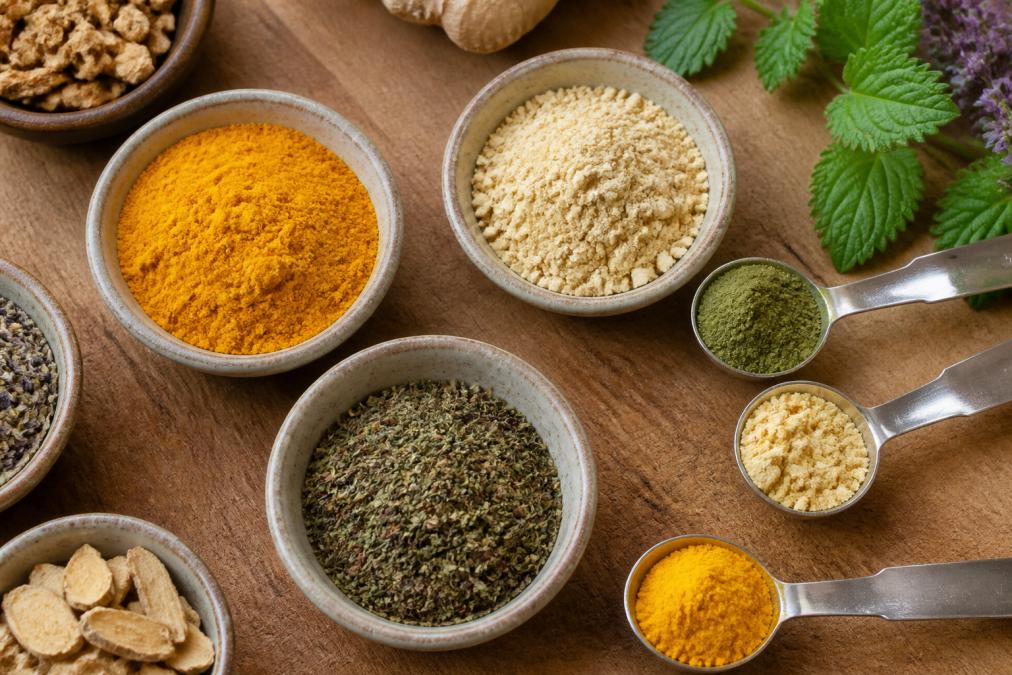
| Herb | Best For | Key Mechanism | Typical Use |
|---|---|---|---|
| Vitex (Chasteberry) | Mood swings, breast tenderness, cycle regularity | Supports progesterone; modulates prolactin | Daily, long-term |
| Ginger | Menstrual cramps, nausea, heavy bleeding | Anti-inflammatory; reduces prostaglandins | Daily or as needed |
| Turmeric | Inflammation, cramping, general discomfort | Curcumin reduces inflammatory markers | Daily with black pepper |
| Magnesium | Muscle tension, mood, sleep disruption | Relaxes uterine muscles; supports serotonin | Daily throughout cycle |
| Dong Quai | Cramps, irregular cycles, blood circulation | Antispasmodic; supports uterine health | Daily or cyclical |
| Red Raspberry Leaf | Uterine tone, heavy bleeding, cramping | Fragarine relaxes uterine muscles | Daily as tea or powder |
| Ashwagandha | Stress, anxiety, cortisol regulation | Adaptogenic; modulates stress response | Daily |
| Multi-Herb Blends | Comprehensive symptom coverage | Synergistic effect of multiple mechanisms | Daily |
Vitex (Chaste Berry) Powder
Vitex agnus-castus is the most clinically studied herb for PMS relief. It influences the pituitary gland, affecting progesterone production and prolactin levels, both critical for cycle regularity and emotional stability. Vitex is particularly effective for mood swings, breast tenderness, and water retention, but requires consistent daily use for 2-3 months before full effects emerge.
Pros: Most researched herbal option; addresses physical and emotional symptoms; supports cycle regularity; works well in combination with other herbs.
Cons: Slow onset (8-12 weeks); not ideal for acute symptom relief; may not suit hormone-sensitive conditions; effects vary between individuals.
Ginger Powder
Ginger’s active compounds, gingerols and shogaols, function as potent anti-inflammatory agents. Research comparing ginger to ibuprofen shows comparable pain relief for menstrual cramps (peer-reviewed research). Ginger works best when taken preventatively starting 3-5 days before the period.
Pros: Fast-acting anti-inflammatory; addresses cramps, nausea, and heavy bleeding; well-researched; minimal side effects.
Cons: May cause heartburn in sensitive individuals; consistent use required; absorption increases with black pepper.
Turmeric Powder
Turmeric’s active compound, curcumin, reduces systemic inflammation that amplifies bloating, fatigue, and mood disruption. Combining turmeric with black pepper (containing piperine) increases absorption by up to 2000%.
Pros: Broader anti-inflammatory action; supports hormone regulation; well-tolerated; synergizes with other herbs.
Cons: Requires black pepper for effective absorption; slower onset (2-3 weeks); not ideal as solo solution for acute cramps.
Magnesium Powder
Magnesium is a mineral that functions as foundational support for PMS symptom management. Roughly 60% of women with PMS have magnesium deficiency (peer-reviewed research). It relaxes uterine muscles (reducing cramping), supports serotonin production (improving mood), and regulates neurotransmitters involved in sleep and anxiety. Magnesium provides measurable results within days; form matters, magnesium gluconate and citrate are highly bioavailable, while magnesium oxide has poor absorption.
Pros: Fast-acting (results within 3-7 days); addresses physical and emotional symptoms; well-researched; safe; supports sleep and stress resilience.
Cons: High doses can cause diarrhea; requires consistent intake; may interact with certain medications.
Dong Quai Powder
Dong Quai (Angelica sinensis) has been used in Traditional Chinese Medicine for women’s reproductive health. It contains compounds that may influence estrogen activity and support blood circulation to the uterus, addressing menstrual cramps, irregular cycles, and heavy bleeding.
Pros: Long history of use for menstrual health; supports cycle regularity and uterine tone; may reduce heavy bleeding; works well in multi-herb formulations.
Cons: Potential interactions with anticoagulants; contraindicated during pregnancy; slow effects (4-8 weeks); less clinical research than vitex or ginger.
Red Raspberry Leaf Powder
Red raspberry leaf contains fragarine, a compound that relaxes and tones uterine muscles, addressing cramping and the muscle weakness contributing to heavy or irregular bleeding. The leaf is mineral-dense, rich in magnesium, potassium, calcium, and iron. It works best as a preventative, taken daily throughout the cycle.
Pros: Nutrient-dense; gentle antispasmodic action; supports uterine health; can be consumed as tea; safe and well-tolerated.
Cons: Slower onset than ginger or magnesium; gentle effects may not address severe cramping; requires consistent daily use.
Ashwagandha Powder
Ashwagandha is an adaptogenic herb that helps the body manage stress and normalize cortisol levels. For PMS, stress amplifies mood swings, and elevated cortisol dysregulates the hormonal cascade driving PMS symptoms. This herb is particularly valuable for women whose PMS manifests as anxiety, irritability, and sleep disruption.
Pros: Addresses stress-driven PMS symptoms; supports sleep quality and mood stability; well-researched for anxiety; generally safe.
Cons: Slow onset (4-6 weeks); not ideal for acute physical symptoms; may cause drowsiness; avoid with autoimmune thyroid conditions without professional guidance.
Multi-Herb Blends
Single-herb powders offer targeted benefits, but multi-herb blends create synergistic effects. A well-formulated blend combines herbs addressing different PMS aspects: one supporting hormonal balance, another reducing inflammation, a third supporting mood and stress resilience. Cycle 180’s formulation combines botanicals with vitamins and minerals designed specifically for menstrual wellness.
Pros: Addresses multiple PMS symptoms simultaneously; synergistic effects often exceed single herbs; convenient; formulated with dosage optimization.
Cons: Higher cost than single herbs; individual herb dosages may be lower; if you react poorly to one component, identifying it is harder.
Herbal Supplements for Hormonal Balance: Clinical Evidence
Vitex has the strongest clinical backing. Multiple studies show effectiveness for reducing PMS symptoms, particularly breast tenderness and mood disturbances. The mechanism is well-understood: vitex influences the pituitary gland’s regulation of progesterone and prolactin.
Ginger and turmeric have solid anti-inflammatory evidence. Research comparing ginger to ibuprofen for menstrual pain shows comparable efficacy. Turmeric’s curcumin has broader anti-inflammatory applications, though fewer studies focus specifically on menstrual pain.
Magnesium is perhaps the most straightforward from an evidence perspective. It’s a mineral with clear biochemical roles in muscle relaxation and neurotransmitter function. Studies consistently show magnesium supplementation reduces menstrual pain and mood symptoms.
Red raspberry leaf, Dong Quai, and ashwagandha have meaningful traditional use and emerging research, but fewer double-blind studies. If you want the most evidence-backed approach, start with magnesium and ginger, then consider adding vitex if mood symptoms are prominent.
How to Manage PMS Symptoms Naturally with Powders
Taking an herbal powder is straightforward, but getting results requires intentional timing and consistency.
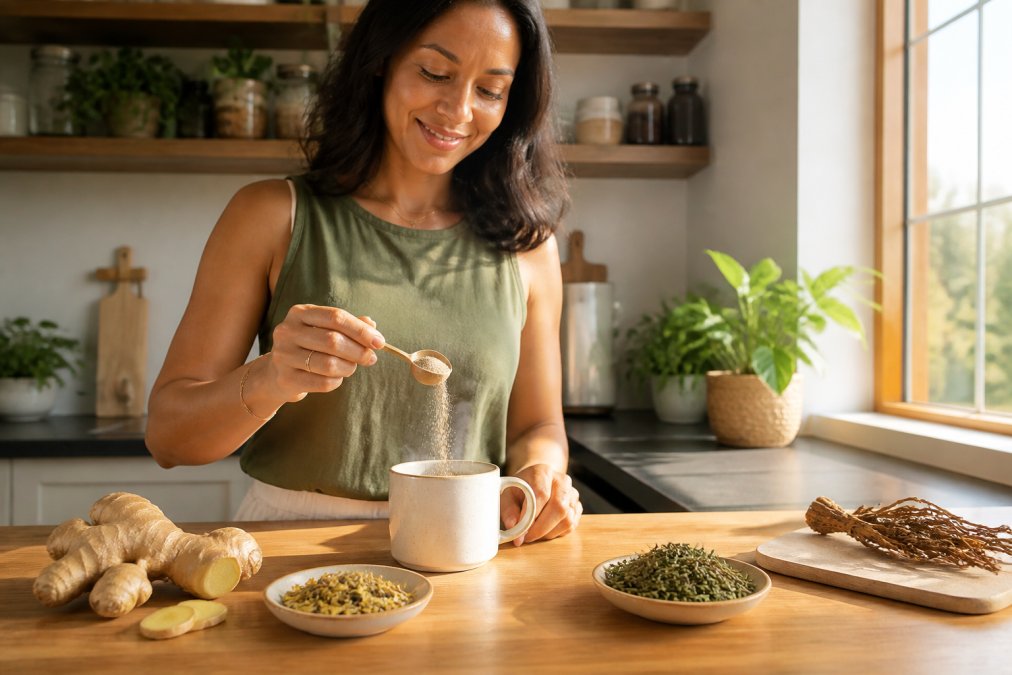
Daily integration: Most herbal powders work best when taken consistently throughout your cycle, not just during the luteal phase. This is especially true for vitex, ashwagandha, and foundational blends like Cycle 180.
Timing matters for symptom relief: If using ginger or turmeric specifically for pain relief, start 3-5 days before your period begins.
Dosage consistency: Most herbal powders are dosed at 1-2 teaspoons daily, mixed into warm water, tea, smoothies, or food.
Combination approach: Rather than relying on a single herb, many women find better results combining complementary options. For example: Cycle 180 as a daily foundation, plus extra ginger powder during the luteal phase for pain relief, plus magnesium for sleep support.
Patience with onset: Single herbs like vitex require 8-12 weeks of consistent use before full effects emerge. Magnesium and ginger work faster (3-7 days), but benefit from sustained use. Expect gradual improvement over 2-3 cycles.
Track your response: Keep a simple log of which symptoms improve. This helps identify whether your chosen herb is working or whether you need to adjust your approach.
Safety of Herbal Dietary Supplements and Drug Interactions
Herbal powders are generally safe, but interactions with medications are possible.
Vitex is well-tolerated but should be avoided during pregnancy and breastfeeding. Women with hormone-sensitive conditions should consult a healthcare provider. It may interact with dopamine antagonists or antipsychotic medications.
Ginger and turmeric are safe at standard supplemental doses but can cause mild digestive upset. Ginger may increase bleeding risk if combined with anticoagulants; turmeric has similar potential at high doses. Both are contraindicated during pregnancy at therapeutic doses.
Magnesium is very safe but high doses cause diarrhea. Women with kidney disease should consult a provider. Magnesium can interfere with certain antibiotics and bisphosphonates; spacing doses by 2+ hours helps.
Dong Quai carries the most significant interaction risk. It may increase bleeding and should not be combined with anticoagulants or antiplatelet medications. Avoid during pregnancy and breastfeeding.
Red raspberry leaf is very safe but traditionally associated with pregnancy, so some practitioners recommend caution during the luteal phase if trying to conceive.
Ashwagandha is generally safe but may cause drowsiness. It can interact with thyroid medications and should be avoided with autoimmune thyroid conditions without professional guidance.
The birth control question: Most herbal PMS supplements don’t directly interfere with birth control efficacy. However, vitex theoretically could influence hormonal balance in ways that might reduce effectiveness. If you’re on hormonal birth control and considering vitex, discuss it with your prescriber.
Always disclose your herbal supplements to your healthcare provider, especially if you take medications.
If you experience unusual bleeding, severe allergic reactions, or worsening symptoms after starting an herbal supplement, discontinue use and consult a healthcare provider.
How to Choose the Right Herbal Powder for Your Symptoms
Selecting the right supplement requires matching your specific symptom profile to the herb’s mechanism of action.
If your primary symptoms are cramps and menstrual pain: Start with ginger powder or a blend containing ginger and turmeric. Add magnesium for muscle relaxation. Expect results within 3-7 days.
If your primary symptoms are mood swings, irritability, and breast tenderness: Vitex is your best single-herb option. Expect 8-12 weeks before full effect. Ashwagandha is a complementary addition if stress amplifies your mood symptoms.
If your symptoms are bloating, fatigue, and general heaviness: Red raspberry leaf and magnesium together address nutrient deficiency and muscle tone issues. Both work best as preventative daily supplements.
If you experience irregular cycles alongside PMS: Vitex, Dong Quai, or a comprehensive blend like Cycle 180 are appropriate.
If you have multiple symptom types: A multi-herb blend is more practical than juggling multiple single-herb powders.
Start with one new supplement at a time and use it for at least 2-3 cycles before evaluating effectiveness. Adding multiple supplements simultaneously makes it impossible to identify which one is helping.
Quality and sourcing matter. Look for supplements with third-party testing, organic certification when available, and transparent ingredient sourcing.
Dosage Guidelines and How Long Results Take
Herbal supplement dosing varies by herb, form, and individual factors.
| Herb | Typical Dose | Frequency | Timeline for Results | Notes |
|---|---|---|---|---|
| Vitex | 160-240 mg | Daily | 8-12 weeks | Requires consistency; effects cumulative |
| Ginger | 1-2 grams | Daily or as needed | 3-7 days | Faster acting; works preventatively |
| Turmeric | 500-1000 mg curcumin | Daily with black pepper | 2-3 weeks | Absorption critical; requires piperine |
| Magnesium | 300-400 mg | Daily | 3-7 days | Adjust dose if digestive upset occurs |
| Dong Quai | 1-2 grams | Daily | 4-8 weeks | Traditional use; slower onset |
| Red Raspberry Leaf | 1-2 teaspoons powder | Daily | 4-6 weeks | Gentle; cumulative benefits |
| Ashwagandha | 300-500 mg | Daily | 4-6 weeks | Stress-specific; adaptogenic |
| Multi-herb blends | Per label | Daily | 2-4 weeks | Varies by formulation |
Herbal supplements don’t work like pain relievers. A single dose of vitex won’t reduce mood swings that day. Instead, these herbs influence hormone regulation and inflammatory processes over time. Consistency is more important than dosage precision. Magnesium is the exception: it works faster because it directly relaxes muscles and supports neurotransmitter function.
Even the most effective herbal supplements reduce PMS severity rather than eliminate it entirely. A woman with severe dysmenorrhea might see 30-50% improvement. For mild to moderate PMS, improvement is often more dramatic.
If you see no improvement after 3 cycles of consistent use, either the herb isn’t right for your symptom profile or the dose is too low. Try a different herb or a comprehensive blend addressing multiple mechanisms simultaneously.
Herbal powders for PMS relief offer a plant-based approach to managing menstrual symptoms through hormone regulation, anti-inflammatory action, and nutritional support. Research is strongest for vitex, ginger, magnesium, and turmeric, each addressing different PMS aspects through distinct mechanisms. Cycle 180 combines multiple herbs, vitamins, and minerals into a single daily powder designed specifically for menstrual wellness, making it practical for women seeking comprehensive support without juggling multiple supplements. The key to success is matching your symptom profile to the right herb, maintaining consistency over 2-4 cycles, and adjusting based on your individual response. Always disclose herbal supplements to your healthcare provider, especially if you take medications or have hormone-sensitive conditions. Get started with Cycle 180 and experience how targeted herbal support can reduce menstrual discomfort and support hormonal balance throughout your cycle.
Frequently Asked Questions
What is the best herbal powder for severe PMS and dysmenorrhea?
For severe dysmenorrhea, ginger and turmeric powders show strong anti-inflammatory effects that reduce menstrual pain by addressing prostaglandin levels. Vitex (chaste berry) addresses hormonal imbalance underlying PMS, while magnesium powder reduces cramp intensity and emotional symptoms. The best choice depends on whether your pain is primarily physical or linked to mood swings and hormonal fluctuation. Severe symptoms may require combining powders or consulting a healthcare provider about whether herbal support works alongside pain management.
How long does it take to see results from herbal powders for PMS?
Results vary by herb and individual. Ginger and turmeric may reduce pain within one or two cycles. Vitex typically requires 2-3 months of consistent use to regulate progesterone and reduce PMS severity. Magnesium can show benefits within 4-6 weeks. Red raspberry leaf builds effects gradually over several months. Starting herbal supplements for hormonal balance requires patience; most women notice measurable improvement in mood swings, bloating, and fatigue between weeks 6-12 of daily use.
Can I take herbal PMS powders if I'm on birth control?
Some herbal supplements for hormonal balance may interact with hormonal contraceptives. Vitex can potentially reduce birth control effectiveness by influencing the pituitary gland. St. John's wort significantly reduces hormonal contraceptive efficacy. Ginger, turmeric, magnesium, and red raspberry leaf are generally considered safe alongside birth control, but individual interactions are possible. Always inform your healthcare provider about any herbal powders you're taking before starting or changing birth control to avoid unintended interactions.
Are herbal powders safer than ibuprofen for period pain?
Herbal powders and ibuprofen work differently. NSAIDs like ibuprofen directly block prostaglandin production for immediate pain relief, while herbal powders address underlying hormonal imbalance and inflammation over time. Herbal powders generally have fewer side effects with regular use, but they're not faster-acting for acute severe pain. Many women use both: ibuprofen for immediate relief during peak pain, and herbal supplements for hormonal balance to reduce overall PMS severity. Severe dysmenorrhea may require both approaches or medical evaluation.
How do I know if an herbal powder brand is high quality?
Look for third-party testing certifications (NSF, USP, or ConsumerLab) verifying purity and ingredient accuracy. Check if the brand sources herbs from reputable suppliers and discloses sourcing transparency. Standardized extracts ensure consistent potency across batches. Avoid brands making unrealistic claims about curing PMS entirely. Read customer reviews for consistency in results. Cycle 180 and established herbal suppliers provide detailed ingredient sourcing information. Safety of herbal dietary supplements depends on manufacturing standards and quality control, so prioritize brands that openly share testing results and sourcing practices.
This article was written using GrandRanker