
Table of Contents
- Our Top Picks: Menstrual Wellness Supplements for Active Women
- How We Evaluated These Menstrual Wellness Supplements
- 1. cycle 180: All-in-One Powdered Support for Active Lifestyles
- 2. Ritual Essential for Women Multivitamin 18+: Foundational Nutrition
- 3. Nature Made Magnesium Glycinate: Muscle Relaxation and Mood
- 4. Nordic Naturals Ultimate Omega: Managing Inflammation
- 5. Gaia Herbs Vitex Berry: Herbal Supplements for Hormonal Balance
- Vitamins for Period Fatigue and How to Manage PMS Symptoms While Training
- Frequently Asked Questions
Last Updated: September 5, 2026
Our Top Picks: Menstrual Wellness Supplements for Active Women
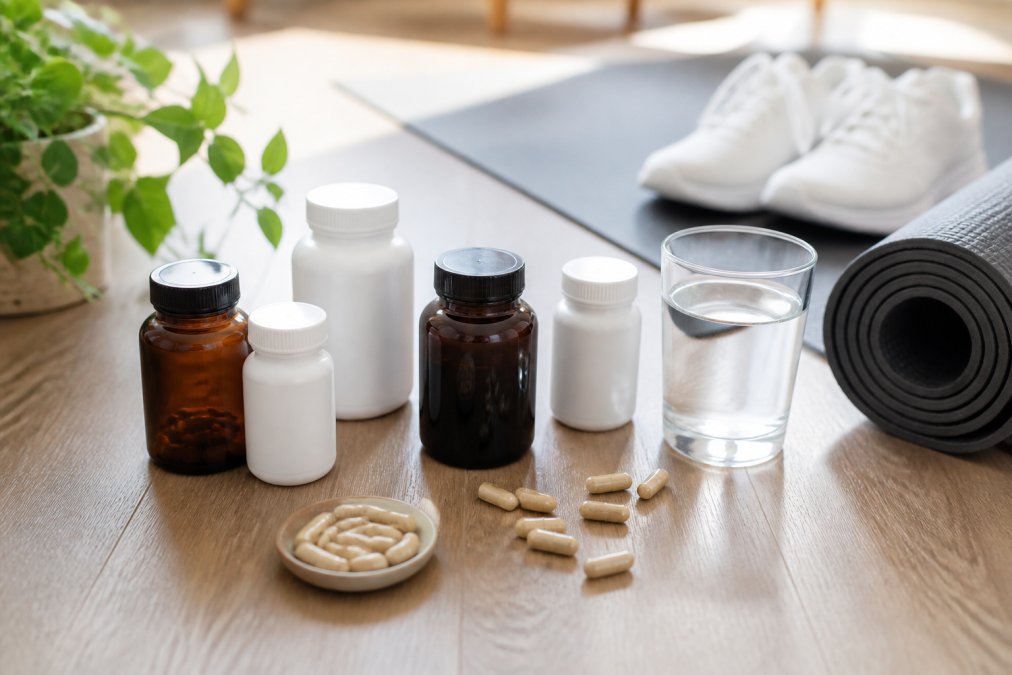
Choosing the right menstrual wellness supplement for active women is about more than grabbing the first bottle labeled “for women.” The best options deliver absorbable forms of key nutrients, prioritize third-party testing, and fit into a training schedule without adding digestive stress.
Quick Picks:
- Best All-in-One: cycle 180, powdered blend of herbs, vitamins, and minerals for cycle-wide support
- Best Foundational Multivitamin: Ritual Essential for Women 18+, traceable ingredients with iron and omega-3s
- Best for Muscle Tension: Nature Made Magnesium Glycinate, bioavailable support for cramps and mood
- Best Herbal Support: Gaia Herbs Vitex Berry, traditional hormone-balancing extract
How We Evaluated These Menstrual Wellness Supplements
We assessed each product on four criteria: ingredient quality and bioavailability, third-party testing, practical fit for active lifestyles, and value relative to the nutrient profile.
Our evaluation prioritizes products with clinically studied forms like magnesium glycinate over magnesium oxide, and fish oils verified for purity. We also weighed whether a product addresses the full cycle rather than just the menstrual phase.
Ingredient Quality and Bioavailability
Bioavailability determines how much of a nutrient reaches your bloodstream and tissues. We looked for forms with documented absorption advantages:
- Magnesium: glycinate, citrate, or malate forms over oxide, which has poor solubility and often causes digestive distress
- Iron: ferrous bisglycinate or iron bisglycinate chelate, which is gentler on the stomach than ferrous sulfate and less likely to cause constipation
- B vitamins: methylated forms like methylfolate and methylcobalamin, which bypass common genetic variations in the MTHFR gene that impair conversion of synthetic forms
- Vitamin D3: cholecalciferol rather than D2 (ergocalciferol), which is approximately three times more effective at raising blood levels
- Omega-3s: triglyceride or phospholipid forms over ethyl esters, which have lower absorption rates
We also examined synergistic cofactors. Vitamin D3 absorption requires fat, so capsules containing oils are preferable to dry tablets.
Third-Party Testing and Certification Standards
Third-party testing is non-negotiable for athletes. Certifications like NSF Certified for Sport assure that a product contains no prohibited ingredients and matches its label claims.
Many brands now share certificates of analysis directly on their websites. The NSF Certified for Sport program verifies that supplements are tested for over 280 athletic banned substances, making it the gold standard for competitive athletes. When a product lacks any third-party verification, the risk of contamination or inaccurate dosing increases significantly.
For competitive athletes, NSF Certified for Sport or Informed-Sport certification is the single most important label claim to check. These programs test every batch, not just a single sample, and they screen for substances banned by the World Anti-Doping Agency. If you compete at any level where drug testing occurs, do not use a supplement without one of these certifications.
Practical Fit for Active Lifestyles
A supplement only works if you take it consistently. Powders are convenient for post-workout routines but require a shaker bottle and water. Capsules are portable but may be problematic for women who struggle with swallowing large pills or train early on an empty stomach.
Iron is best absorbed on an empty stomach but often causes nausea, so we noted whether products use gentler forms or recommend taking with food. Magnesium oxide frequently causes loose stools, which is counterproductive for athletes managing hydration and electrolyte balance.
Value Relative to Nutrient Profile
Price alone does not determine value. We compared cost per serving against actual nutrient content, prioritizing products that deliver meaningful doses of clinically studied ingredients rather than proprietary blends with undisclosed amounts.
We flagged products that require multiple servings per day to reach effective doses, since that increases both cost and the likelihood of missed doses.
What We Did Not Evaluate
We did not assess products for pregnancy, breastfeeding, or fertility treatment, as those populations have distinct safety considerations that require individualized medical guidance. We also excluded supplements containing proprietary blends where individual ingredient amounts were not disclosed, because without that information, neither consumers nor healthcare providers can assess safety or efficacy.
The best supplement for you is one that uses bioavailable forms, has verified third-party testing, fits your daily routine without digestive issues, and delivers meaningful doses at a reasonable cost per serving. If a product fails on any of these criteria, it is unlikely to support your training and menstrual health effectively.
1. cycle 180: All-in-One Powdered Support for Active Lifestyles
cycle 180 is a powdered supplement for active women who want comprehensive menstrual wellness support without juggling multiple bottles. This all-natural powdered supplement blends herbs, vitamins, and minerals to support menstrual wellness, comfort, and well-being throughout the monthly cycle.
What sets cycle 180 apart is its whole-cycle approach. Rather than targeting only the menstrual phase, it supports hormonal balance across all phases, which matters for active women whose performance fluctuates with estrogen and progesterone levels.
Active women who want one convenient, drinkable supplement that covers herbal, vitamin, and mineral support without remembering multiple daily pills.
For women already taking a multivitamin and magnesium separately, cycle 180 can consolidate that routine into a single serving. Pricing depends on your subscription choice, and the cycle 180 website shows current options for monthly delivery.
2. Ritual Essential for Women Multivitamin 18+: Foundational Nutrition
Ritual’s Essential for Women 18+ Multivitamin is the strongest choice for active women who want a transparent, science-backed daily foundation. Each capsule contains iron for blood health during menstruation and omega-3 DHA for cognitive support, both in highly bioavailable forms.
The delayed-release capsule design prevents the nausea some women experience with iron supplements. At $33 per month on subscription, it is priced at a premium, but the traceable sourcing and quality control justify the cost for women prioritizing ingredient transparency.
The main limitation is the subscription-only model. Its doses are designed for general health rather than high-volume training, so competitive athletes may need targeted additions like creatine or higher magnesium.
3. Nature Made Magnesium Glycinate: Muscle Relaxation and Mood
Nature Made Magnesium Glycinate is an effective single-nutrient supplement for muscle relaxation and mood stabilization during the menstrual cycle. The glycinate form is highly bioavailable and gentle on the stomach, unlike magnesium oxide which often causes digestive distress.
Magnesium plays a central role in muscle function, and deficiency is common among athletes who lose magnesium through sweat. At $15.99 for a one-time purchase, it is a budget-friendly option on this list and widely available.
The drawback is its narrow focus. Magnesium alone cannot address the full range of menstrual symptoms, including hormonal acne, breast tenderness, or cycle irregularity.
4. Nordic Naturals Ultimate Omega: Managing Inflammation
Nordic Naturals Ultimate Omega delivers high-potency EPA and DHA omega-3s that support anti-inflammatory response and hormonal health. For active women, this translates to reduced joint discomfort and better recovery between sessions, particularly during the luteal phase when inflammation can spike.
The fish oil is sourced from wild-caught fish and third-party tested for heavy metals. The high concentration means fewer capsules than standard fish oil products, improving compliance for women who dislike swallowing large pills.
The capsule size remains the primary complaint. Each softgel is substantial, and women who struggle with swallowing may find the daily dose challenging.
5. Gaia Herbs Vitex Berry: Herbal Supplements for Hormonal Balance
Gaia Herbs Vitex Berry offers targeted herbal support for cycle regularity and PMS relief through concentrated Vitex agnus-castus extract. Vitex, also known as chasteberry, has traditional use for supporting healthy progesterone levels and is one of the most studied herbal supplements for hormonal balance.
The key distinction of Vitex is its mechanism: it acts on the pituitary gland to support the luteal phase rather than masking symptoms. This makes it relevant for women with short luteal phases, PMS mood disturbance, or cycle irregularity.
Vitex takes time. Most women need two to three months of consistent use before noticing changes in cycle regularity or PMS symptoms. Stopping after two weeks will not produce results.
Women on hormonal contraceptives should consult a healthcare provider before adding Vitex, as it may interact with birth control mechanisms. Vitex addresses hormonal regulation but does not provide the micronutrient support that active women need, making it a complement to rather than a replacement for a multivitamin.
Vitamins for Period Fatigue and How to Manage PMS Symptoms While Training
Period fatigue is one of the most common reasons active women skip training during their menstrual phase. The drop in estrogen and progesterone affects energy metabolism and can make even moderate workouts feel exhausting.
Key Nutrients to Combat Fatigue
Iron is the most critical nutrient for period fatigue because menstrual blood loss depletes iron stores, and deficiency directly impairs oxygen delivery to muscles. Active women have higher iron requirements than sedentary women due to foot-strike hemolysis and sweat losses.
Vitamin D3 plays a supporting role in muscle strength and immune function, with deficiency linked to increased fatigue and injury risk. Omega-3 fatty acids reduce the inflammatory load that can compound feelings of sluggishness during the menstrual phase. The National Institutes of Health Office of Dietary Supplements fact sheets provide detailed guidance on recommended daily dosages for each nutrient.
The Hormonal Contraceptive Factor Most Guides Miss
A significant portion of active women use hormonal contraceptives, yet the interaction between birth control and nutrient needs is rarely discussed. Hormonal contraceptives alter how your body uses several nutrients that directly impact training performance.
Combined oral contraceptives (estrogen-progestin pills) are associated with reduced serum levels of magnesium, zinc, and several B vitamins, including folate and B6. Estrogen also influences calcium metabolism, and long-term pill use may affect bone mineral density. Progestin-only methods often reduce menstrual bleeding, which can lower iron losses, but they do not eliminate the need for other micronutrients.
For active women on the pill, a standard multivitamin may not fully cover the gaps created by contraceptive use. Magnesium becomes particularly important because it supports muscle relaxation, sleep quality, and energy production, all taxed by both training and hormonal contraception.
If you are on hormonal contraceptives and training regularly, do not assume your supplement routine covers your needs. Ask your healthcare provider about testing for magnesium, vitamin D, and B-vitamin status, especially if you experience persistent fatigue, cramping, or poor recovery despite adequate nutrition.
Adjusting Your Training Schedule
Rather than forcing high-intensity sessions during the first two days of your period, plan lighter recovery work when fatigue peaks. Save strength training and intervals for the follicular phase when estrogen rises and performance typically improves.
Tracking your cycle alongside training logs helps you anticipate low-energy days. If you are on hormonal contraceptives, tracking symptoms rather than bleeding days is more useful for predicting performance fluctuations.
| Nutrient | Role in Menstrual Health | Impact of Hormonal Contraceptives | Best Food Sources | Supplement Form |
|---|---|---|---|---|
| Iron | Prevents fatigue from blood loss | May be less critical if bleeding is reduced | Red meat, spinach, lentils | Ferrous bisglycinate |
| Magnesium | Muscle relaxation, mood support | Levels may be reduced by estrogen-containing pills | Nuts, seeds, dark chocolate | Magnesium glycinate |
| Vitamin B6 | Mood regulation, energy metabolism | Metabolism is altered by oral contraceptives | Poultry, bananas, chickpeas | Pyridoxine HCl |
| Folate | Red blood cell production | Oral contraceptives lower serum folate | Leafy greens, legumes | Methylfolate |
| Vitamin D3 | Muscle strength, immune function | May be lower in long-term pill users | Sunlight, fatty fish | Cholecalciferol |
If you are an active woman using hormonal contraceptives, your supplement needs are not identical to those of women with natural cycles. Prioritize magnesium, B vitamins, and vitamin D, and consider whether your current supplement accounts for the nutrient-depleting effects of your contraceptive method.
The American College of Sports Medicine position stand on nutrition and athletic performance emphasizes that athletes should meet micronutrient needs through food first, with supplementation filling identified gaps. For active women with heavy menstrual bleeding or restrictive diets, targeted supplementation becomes essential rather than optional.
Frequently Asked Questions
What are the best supplements for active women to support hormonal balance?
The best approach combines foundational nutrients with targeted herbal support. A quality multivitamin with iron and B vitamins covers daily needs. For hormonal balance specifically, herbal supplements like Vitex (chasteberry) are often used. Magnesium glycinate helps with muscle relaxation and mood. An all-in-one option like cycle 180 blends these herbs, vitamins, and minerals into a daily powder designed for convenience.
Are there specific vitamins that help with period-related fatigue?
Yes. Iron is critical because heavy menstrual bleeding is a leading cause of micronutrient deficiency and fatigue. B vitamins, especially B6 and B12, support energy metabolism. Vitamin D3 also plays a role in muscle strength and reducing tiredness. For active women, addressing fatigue often starts with correcting these deficiencies through diet or a targeted supplement.
Is it safe to take herbal supplements for hormonal balance while training?
Generally, yes, but you need to check for drug-supplement interactions. For example, Vitex can interact with hormonal contraceptives and some psychiatric medications. Always choose products with third-party testing, like NSF Certified for Sport, to ensure purity and label accuracy. Discuss your full supplement list with your doctor or a sports dietitian, especially if you take prescription medication.
How do menstrual cycle phases impact athletic performance, and how can I manage PMS symptoms while training?
Many women find performance peaks during the follicular phase (after their period) and dips during the luteal phase (before their period). To manage PMS symptoms while training, focus on adequate magnesium and omega-3s to reduce inflammation and mood disturbance. Adjust intensity during the luteal phase, prioritize recovery, and ensure proper hydration and fueling to combat fatigue.
What should I look for to ensure a menstrual wellness supplement is high quality?
Look for third-party testing and certification, which verifies the product contains what the label claims and is free from harmful contaminants. Check that the ingredients are in bioavailable, absorbable forms, such as magnesium glycinate instead of magnesium oxide. Also, verify the supplement is free from artificial additives and that the brand is transparent about its sourcing.
This article was written using GrandRanker